

The Dedicated Freight Corridor Corporation of India Limited (DFCCIL), which is part of the Ministry of Railways, is in charge of planning, building & running the Dedicated Freight Corridors (DFC), including conducting a comprehensive feasibility study. This project is changing India’s logistics network in a big way.
A Look at the DFC Corridor
The DFC Corridor, which includes the Eastern Dedicated Freight Corridor and the Western DFC, is changing the way people and goods move around India in a big way. This project, which started on December 12, 2020, by Prime Minister Narendra Modi, is a game changer for India in the 21st century. The DFC Corridor connects important hubs like Kolkata, Ludhiana, Jawaharlal Nehru Port, Ahmedabad & Chennai, which makes freight more efficient, lowers logistics costs & helps the economy grow. It connects with the Golden Quadrilateral and GQFC, making trade routes easier and improving port connections across 2843 km.
Following the National Railway Plan
The National Rail Plan says that the DFC Corridor is in line with the goal of increasing the railway’s modal share from 28% to 44% by 2051. It supports the National Logistics Policy, which wants to lower logistics costs from 15% of GDP to 8% by 2030. The Ministry of Railways makes sure that policies are carried out to make moving freight more efficient in West Bengal, Punjab & other places. Progress reviews every April make sure that things are moving along.
Goals for the Amount of Freight
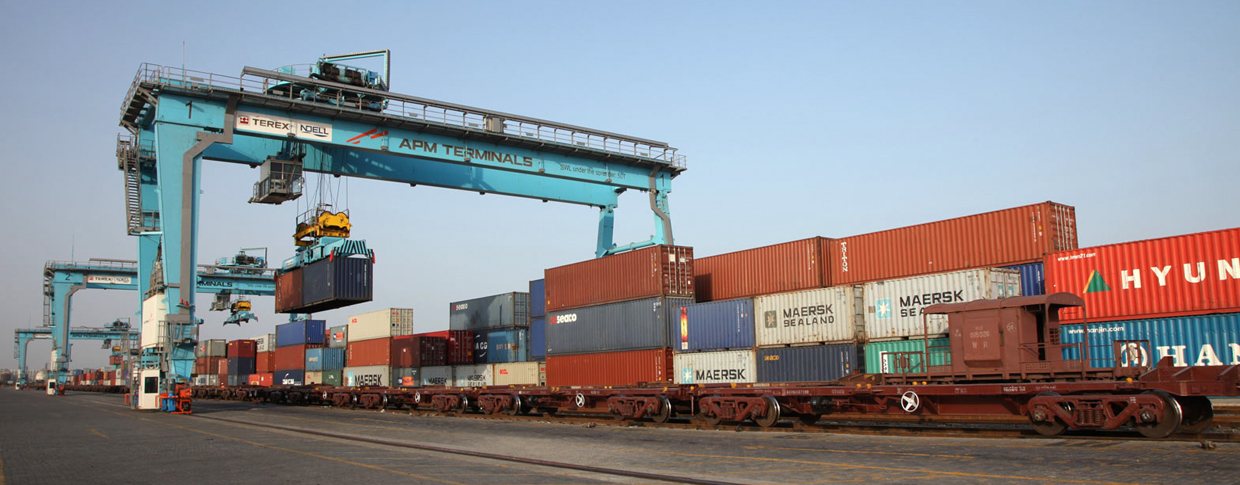
The DFC Corridor is very important for Indian Railways to reach its goal of being able to load 3,000 MT of freight by 2030. It makes moving freight easier, which makes transportation cheaper and more reliable. The corridors move millions of TEUs every year, which helps businesses in Chennai, Ludhiana & Kolkata. The DFC cuts down on transit times, which makes it faster to get goods to eastern seaports and domestic markets. This gives India an edge in international trade.
Dedicated Freight Corridors: Western and Eastern corridor
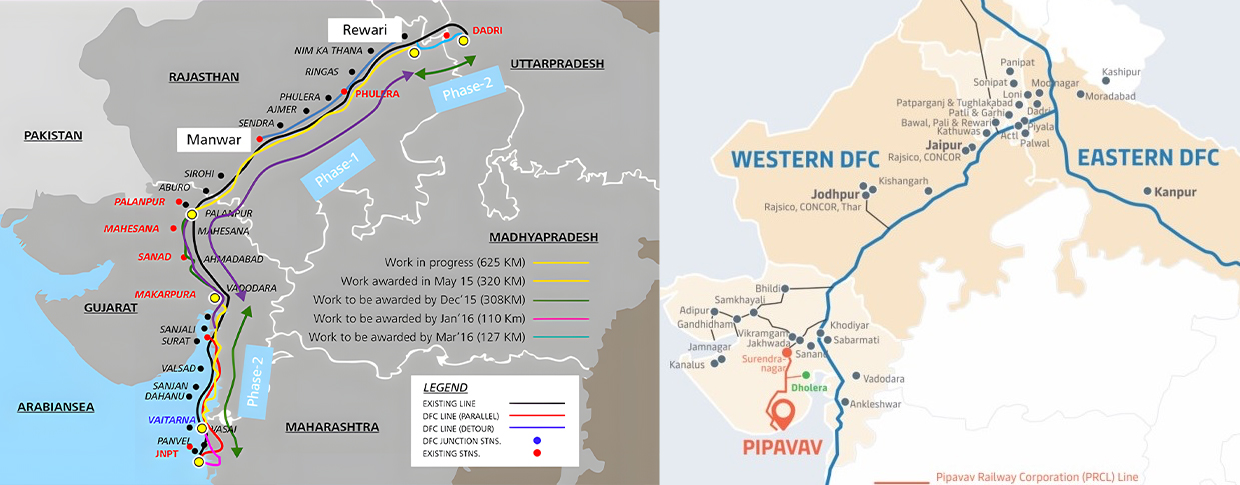
Electric (2 x 25 kV) tracks go from JNPT to Dadri, with stops in Diva, Surat, Ankleshwar, Bharuch, Anand & Sabarmati. A new route from Rewari to Dadri has a 1-kilometer tunnel (14.5 m wide, 10.5–12.5 m high) for double-stacked containers that can carry heavier loads, including RoRo shipments. Phulera, Marwar Junction, Palanpur, Ambli Road (near Sabarmati), Makarpura (Vadodara), Gothangam/Kosad (Gujarat) & Vasai Road (Maharashtra) are some of the most important stations. The line ends at JNPT in Raigad district. A study is being done to see if the East Coast Dedicated Freight Corridor is possible in order to make coastal trade routes bigger, covering a distance of approximately 1,000 mi.
DFC and the Dedicated Freight Corridor Corporation of India Limited (DFCCIL) help the economy grow.
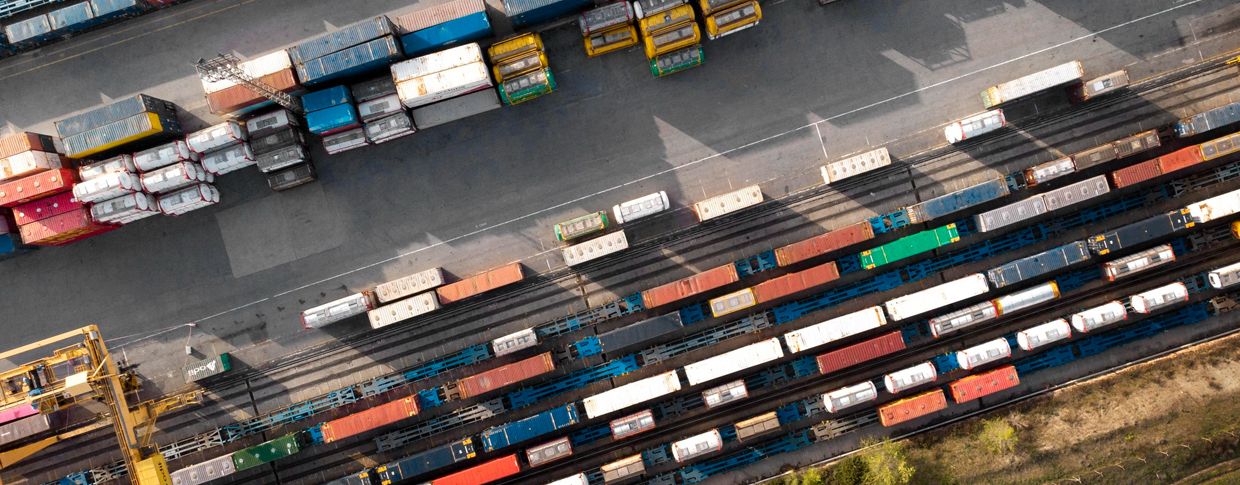
According to a World Bank report, the DFC Corridor moves 70% of goods trains off the roads, significantly reducing freight traffic. Each train on the Eastern Dedicated Freight Corridor is about a kilometer long and replaces about 72 trucks. This clears up traffic on highways, lowers the cost of logistics & makes trade more efficient in Kolkata, Ludhiana & Chennai. The DFC brings in new markets by lowering transportation costs. This lets small and medium-sized businesses compete on a global scale. The corridors help move high-value goods like electronics and food that spoils quickly, which helps the economy grow and diversify.
Effect of Industrial Growth
The DFC helps industries grow by building industrial zones along its route, especially in West Bengal, Uttar Pradesh & Bihar. These areas create a lot of jobs, which helps areas that aren’t doing well. Faster, more reliable freight transport helps industries in Punjab and Haryana that deal with steel, power & heavy manufacturing. The Eastern DFC helps get raw materials like coal and finished goods to eastern seaports, which helps exports and the economies of the region. The WDFC makes it easier to get to JNPT, which is an important center for international trade.
Making rail networks less crowded
The DFC cuts down on rail congestion by separating freight and passenger traffic. According to the World Bank, this saves Rs 4.9 billion in logistics costs and Rs 2.4 billion in pollution costs. This decongestion makes passenger trains more reliable on busy routes, which makes all rail services better. The DFC’s own tracks make things run more smoothly, which cuts down on delays and improves service quality for both freight and passenger networks in West Bengal and Gujarat.
Benefits for the environment
The DFC uses electric locomotives to promote sustainability. Over 30 years, this cuts CO2 emissions by 2.25 times compared to other methods. From 2022 to 2052, the Khurja-Bhaupur section will cut 4.2 million tonnes of CO2, which will help make the air cleaner. The DFC cuts down on highway traffic and greenhouse gas emissions by moving freight from roads to rail.
New Technologies
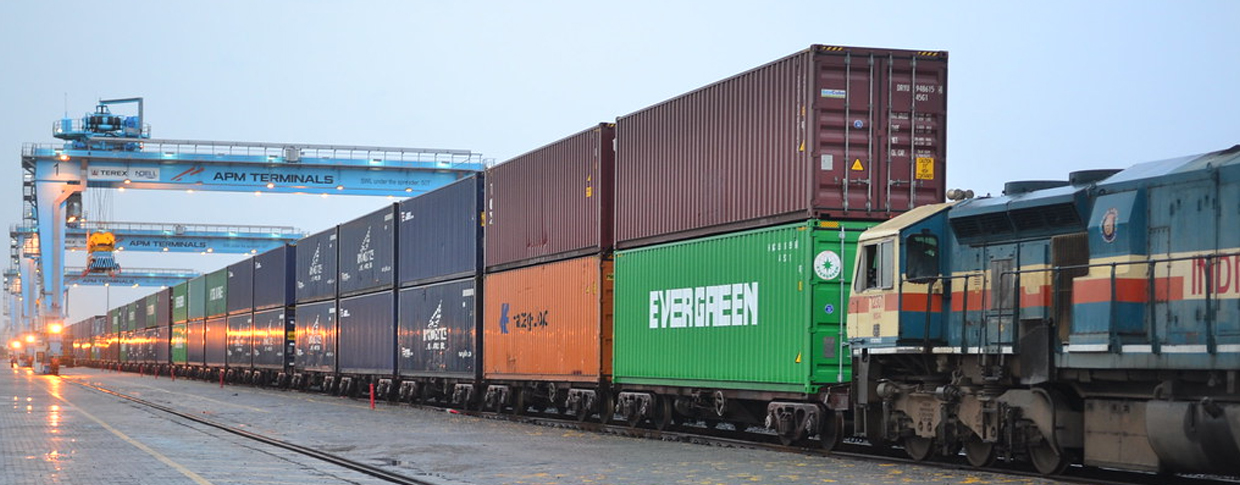
The Corridor uses cutting-edge technology like automated track laying, drone monitoring & mechanized signaling. One of the world’s largest operations control centers, Prayagraj, oversees the corridor and ensures reliability. The DFC can handle 25-ton wagon axles, allowing longer, heavier trains. Construction near a building 15 feet from bore drilling was managed by weekly logistics updates and Town Hall meetings.
Change in social and economic conditions
The Western Corridor improves transportation, creates jobs & equalizes West Bengal, Punjab & Gujarat. Setting January and April goals keeps the project on track. It links Kolkata, Ludhiana & Chennai, allowing everyone to grow at the same rate. Sustainable freight transportation and economic growth make India a global leader.
What is the DFC corridor and what are its primary goals?
The DFC corridor, or Delhi-Meerut Expressway, aims to enhance connectivity between Delhi and Meerut. Its primary goals include reducing travel time, alleviating traffic congestion & promoting economic development in the region. This infrastructure initiative facilitates smoother transportation, benefiting both commuters and local businesses along the route.
Conclusion: DFC Corridor
The DFC Corridor, vital to India’s economy and environment, is managed by the Ministry of Railways and DFCCIL. It links Kolkata, Ludhiana, Dankuni, Mumbai & Chennai, covering a significant length of kilometres, supporting the Golden Quadrilateral and creating lakhs of jobs. The route length of this corridor is significant as making freight more efficient boosts industrial growth and reduces emissions. With the Eastern and Western Dedicated Freight C


