
Dholera is emerging as India’s largest greenfield industrial hub and one of the most advanced smart city projects envisioned by the Government of India and the Gujarat Government. As part of the expansive Dholera Special Investment Region (DSIR), the city is built on a foundation of smart infrastructure, integrated IoT sensors, and high-speed ICT systems that enable seamless digital operations. At the core of this intelligent ecosystem is Machine Learning in Dholera Smart City, powering smarter decision-making across transportation, energy, public safety, healthcare, and large-scale infrastructure management. By analyzing real-time data and forecasting future needs, machine learning ensures that Dholera operates with exceptional efficiency, reliability, and intelligence for residents, industries, and government services.
Urban Planning and Development
Machine learning (ML) plays a major role in shaping the long-term development of Dholera’s total area by forecasting land demand, real estate growth, environmental patterns, and industrial expansion. It analyzes demographic data, climate conditions, and economic activity to help planners design sustainable layouts. ML also assists in balancing residential, commercial, and industrial zones while considering environmental sustainability. The result ensures that infrastructure development in this futuristic city remains efficient and future-proof. By identifying long-term trends and resource requirements, ML helps Dholera evolve into a global hub for advanced industries and smart city solutions.
Smart Transportation and Mobility Systems
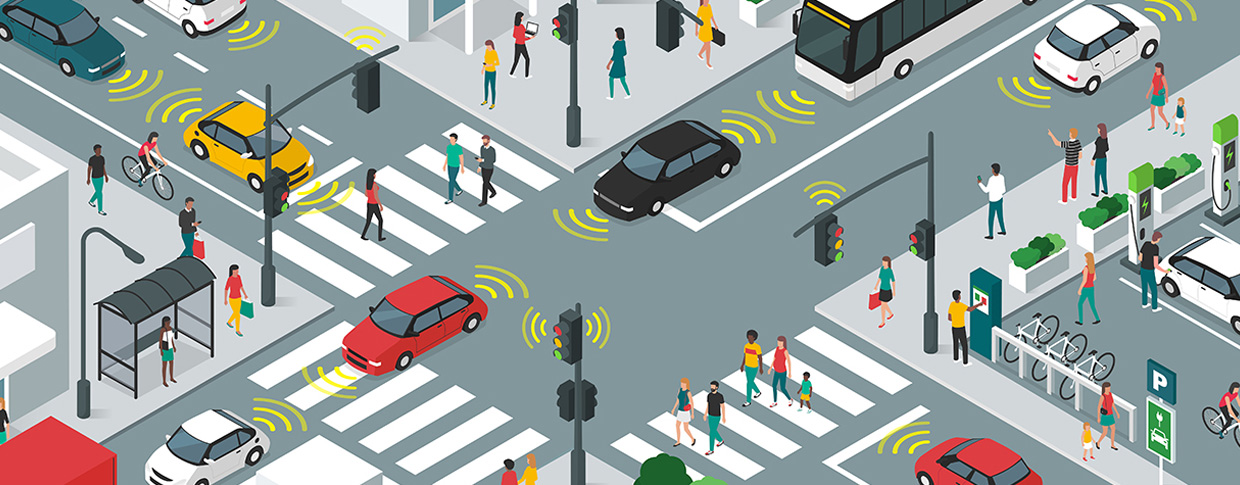
Dholera’s transport network uses machine learning and IoT sensors to provide safer, faster, and more intelligent mobility services. ML-powered intelligent traffic management systems analyze road congestion, vehicle movement, and real-time trends to adjust traffic lights automatically. The result reduces delays and improves travel times for commuters and logistics operators. Machine learning also supports route optimization for public transport, ensuring buses follow efficient paths based on passenger demand. Predictive maintenance models detect road deterioration or infrastructure stress early, preventing accidents and improving public safety across the smart city.
Healthcare Modernization
Healthcare services in Dholera benefit from ML-supported forecasting, diagnostics, and planning. Using real-time patient data, ML predicts potential health risks, enabling early diagnosis and preventive care. Hospitals use machine learning to allocate beds, staff, and emergency services more efficiently based on expected patient flow. It also supports personalized medicine by analyzing medical histories and lifestyle patterns to create more accurate treatment plans. Through automation and data-driven decisions, ML improves the quality of healthcare and helps the city maintain high standards of public health.
Strengthening Public Safety Through Machine Learning in Dholera Smart City
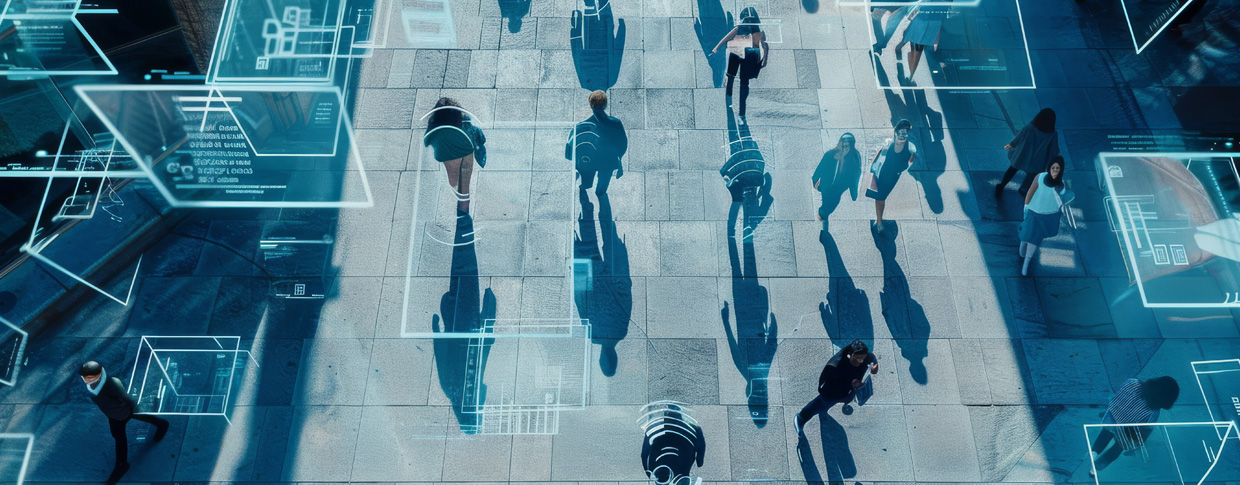
Public safety systems across the city rely on AI-enabled surveillance cameras, behavior detection algorithms, and predictive policing models. Machine learning monitors real-time video feeds to detect unusual activities or potential threats and immediately alerts security teams. ML studies historical crime records to identify patterns and highlight high-risk areas, helping law enforcement take preventive actions. This creates a safer environment in residential neighborhoods, commercial corridors, industrial zones, and public gathering areas. Machine Learning in Dholera Smart City significantly enhances security while ensuring proactive safety measures across the region.
Environmental Monitoring and Smart Waste Management
Machine learning supports environmental sustainability by analyzing air quality, pollution trends, temperature fluctuations, and waste generation data. IoT sensors installed across Dholera continually send environmental updates, which ML models interpret to predict air quality changes and alert authorities when pollution levels rise. ML also simplifies waste management by forecasting waste volumes, designing efficient collection routes, and identifying opportunities for recycling. This results in cleaner surroundings, reduced environmental impact, and better long-term ecological health.
Energy Management and Renewable Integration
Dholera uses ML-driven smart grids to predict electricity demand and optimize energy flow. Machine learning models analyze load patterns, energy consumption cycles, and temperature variations to ensure balanced power distribution throughout the city. With Dholera’s focus on renewable energy, especially solar power, ML helps forecast energy generation and integrate clean power more efficiently. This reduces dependence on fossil fuels and ensures a stable energy supply for industrial operations and daily life across the smart city.
Water Management and Efficient Usage
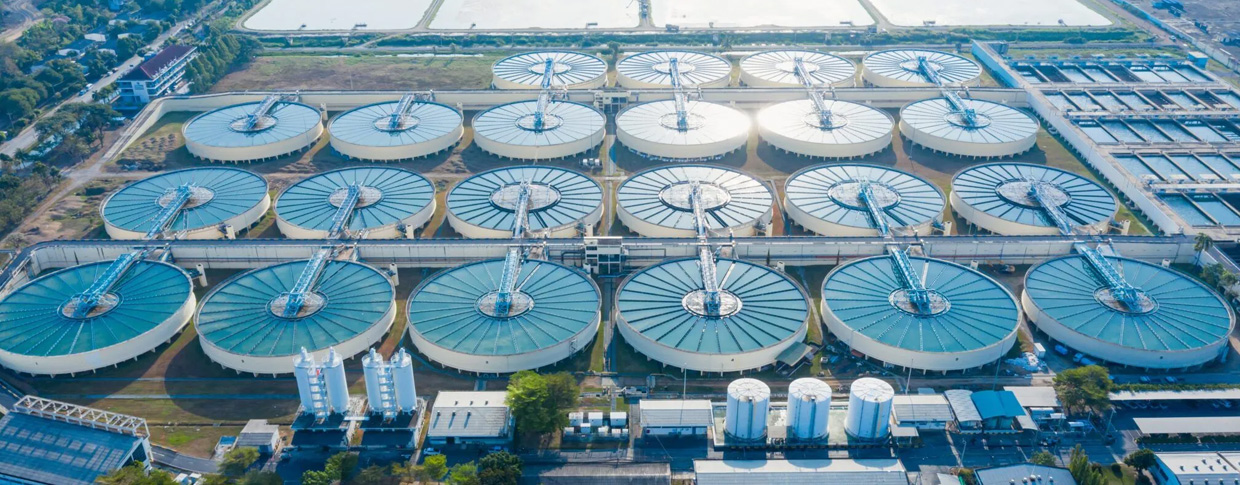
Machine learning plays a major role in managing Dholera’s water supply by identifying leaks, predicting consumption patterns, and improving distribution. Sensors embedded in pipelines provide real-time data about water pressure and flow, and ML models analyze this information to detect leaks early. This helps reduce water wastage and maintain system reliability. ML also predicts water usage based on climate conditions, daily routines, and population trends, enabling authorities to manage resources more effectively.
Smart Buildings and Real Estate Automation
Machine learning is transforming the real estate industry in Dholera by upgrading energy efficiency, maintenance operations, and occupant experience. Smart buildings use ML to optimize heating, cooling, ventilation, and lighting by analyzing occupancy patterns. Predictive maintenance models detect early signs of equipment wear, preventing sudden breakdowns and reducing repair costs. ML-driven automation systems adjust environmental settings automatically, improving comfort in residential and commercial buildings. These innovations support the growth of a modern real estate ecosystem across DSIR.
How Does Edge Computing Enhance ML Operations?
Edge computing significantly improves the execution of ML applications by processing data closer to its source instead of depending solely on cloud servers. This reduces latency and enables faster decision-making for real-time systems like traffic monitoring, public safety management, utility operations, and industrial automation. Edge computing strengthens the performance of ML models by improving speed, reliability, and stability, which are essential for a large-scale smart city like Dholera.
ICT Infrastructure Supporting Machine Learning Applications
Dholera has a robust ICT backbone designed to support large-scale ML operations. High-speed fiber-optic connectivity, high-tech command centers, IoT-enabled utilities, GIS-based systems, and real-time analytics platforms allow the city to function as a truly intelligent ecosystem. Machine Learning in Dholera Smart City benefits from this strong digital infrastructure, which enables seamless communication across transportation, energy, water, and security systems. This connectivity also ensures efficient city governance and rapid decision-making.
Job Creation
The rise of ML and AI technologies in Dholera has opened job opportunities in multiple sectors. Industries applying Industry 4.0 technologies require automation engineers, data analysts, and AI specialists. ICT companies working on smart grid management, IoT deployment, and cybersecurity are expanding their teams. The development of the Dholera International Airport is increasing demand for aviation technology roles that use ML-driven solutions. Environmental agencies, real estate firms, and public service departments are also hiring ML professionals to support their smart city operations.
Industrial 4.0 Adoption Using Machine Learning

Dholera’s industrial zones are adopting Industry 4.0 technologies that rely heavily on ML. Manufacturing units use machine learning for predictive maintenance, automatic defect detection, robotics automation, and real-time monitoring of equipment. ML models analyze operational data to reduce downtime, increase output, and improve product quality. These capabilities help Dholera become a high-performance industrial hub with advanced automation and efficient production systems.
International Investment Opportunities in ML and Smart Infrastructure
DSIR is attracting global investors looking to expand into AI, automation, IoT analytics, and smart infrastructure development. The region offers extensive potential for ML-driven innovations in transportation, energy management, and industrial operations. With supportive policies from the Government of India and the Gujarat Government, Dholera is becoming a preferred destination for foreign companies interested in establishing technology-intensive operations.
Importance of the AI-Driven Chip Ecosystem
The rise of semiconductor and advanced electronics manufacturing in Dholera enhances machine learning capabilities across industries. Local access to AI-ready chips and electronic components accelerates the adoption of ML in utilities, transportation, automation, and robotics. The result strengthens the technology supply chain and positions Dholera as a competitive location for next-generation digital innovation.
BIM Technology Supporting ML in Smart City Development
BIM (Building Information Modeling) strengthens construction quality and infrastructure planning in Dholera. ML algorithms analyze BIM models to predict maintenance needs, optimize materials, reduce delays, and improve project accuracy. This synergy supports efficient construction of high-tech infrastructure and ensures long-term asset reliability.
How is Machine Learning in Dholera Smart City improving day-to-day public services?
Machine Learning in Dholera Smart City improves day-to-day public services by enabling faster traffic management, efficient water distribution, predictive maintenance, and stronger security surveillance. Real-time data from IoT sensors helps authorities take quick decisions that enhance convenience and safety for residents.
Why is Machine Learning important for the future growth of Dholera Smart City?
Machine Learning is essential for Dholera’s future because it supports Industry 4.0 automation, smart infrastructure planning, environmental sustainability, and energy efficiency. Its ability to analyze real-time data helps Dholera grow as a global smart city with strong economic potential.
Conclusion: Machine Learning in Dholera Smart City
Machine Learning in Dholera Smart City is transforming Dholera into a highly efficient, sustainable, and technologically advanced urban ecosystem. With smart infrastructure, IoT sensors, edge computing, and advanced ICT networks, ML optimizes transportation, energy, healthcare, security, water, real estate, and industrial operations. As global investments increase and semiconductor capabilities expand, Dholera is positioned to become one of India’s most innovative smart cities and a leading global hub for intelligent urban development.