

Vedanta Semiconductor is one of India’s most ambitious tech businesses. Its goal is to put the country firmly on the global chip map. This project is not just a way for Vedanta Resources to grow its business; it is also a national mission. Vedanta Semiconductor’s entry into the industry is a strategic move toward self-sufficiency in high-tech manufacturing, as the world is seeing unprecedented demand for chips and India imports more than 90% of its semiconductor needs.
The goal is clear: to make India a world-class semiconductor ecosystem, rely less on imports, boost electronics production in India & make India a global center for chip design and fabrication.
Why Semiconductors Are Critical for India’s Growth
People often call semiconductors the “brains” of electronics today. These small silicon-based devices power everything from smartphones, laptops & smart home appliances to electric cars, 5G networks & advanced defense systems. The digital economy would stop working without semiconductors.
The stakes are higher for India:
- The tech industry in this country is growing quickly & it needs a lot of chips from other countries.
- In the COVID-19 pandemic, supply chain issues showed how risky it is to rely on foreign manufacturers.
- Defense and space are two important areas that need secure and native chip manufacturing capabilities.
Vedanta Semiconductor wants to fix these problems by building state-of-the-art factories that can make high-quality chips for a wide range of industries.
India’s chance with chips
By 2030, the global semiconductor market is expected to be worth more than $1 trillion & India is in a good position to get a big piece of this pie. India is a good place to invest in semiconductors because it has a lot of consumers, skilled workers & strong government support.
The Government of India started the India chip Mission (ISM), which has changed the game. This mission gives:
- Financial incentives: up to 50% tax breaks for semiconductor manufacturing plants.
- Support for policy: simpler rules and faster approvals.
- The plan includes building infrastructure by establishing special industrial zones, such as the Dholera Special Investment Region (DSIR) in Gujarat.
Vedanta Semiconductor is one of the most important projects in this mission & policymakers, industry experts & global investors are all keeping a close eye on its progress.
Vedanta Semiconductor’s Goals and Vision
The goal of Vedanta Semiconductor goes beyond just building a factory. The bigger goals are
- Setting up India’s first large-scale fab: a modern semiconductor production plant that can make high-end chips.
- Building a Supplier Ecosystem: Getting both foreign and Indian suppliers of materials, machinery & technology to do business in India.
- Driving Innovation: Working with top companies around the world to share research and development and technical knowledge.
- Skill Development: Teaching India’s workers the skills they need to work in a very specialized field.
- Boosting Exports: Positioning India as a chip exporter to global markets.
Why Dholera SIR Was Chosen
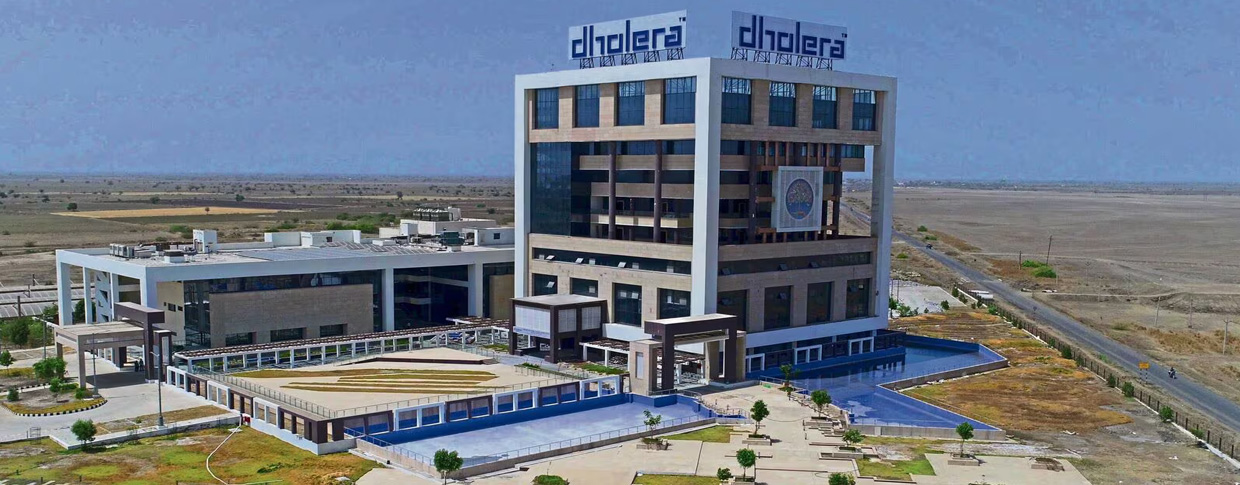
The location of Vedanta Semiconductor’s factory is very important. The Dholera Special Investment Region (DSIR), located in Gujarat, offers the following advantages:
- Close to ports: It’s easy to bring in raw materials and send out finished goods.
- World-Class Infrastructure: An industrial city with a planned layout, a reliable power supply, high-speed internet & modern transportation options.
- The government of Gujarat has given extra subsidies, tax breaks & fast-tracked clearances to businesses.
- Dholera is being built as a smart city, which makes it a great place for a high-tech industry like semiconductors.
Partnerships and technology transfer around the world
Partnerships with other tech companies are important for success in the competitive chip market. Vedanta Semiconductor first worked with Foxconn, a huge Taiwanese electronics manufacturer, to use its technical know-how and experience. Vedanta has continued to look for partnerships with other technology leaders from Japan, South Korea & the United States, even though the partnership ended because of differences in how they do business.
These kinds of partnerships are very important for:
- Technology Transfer: Getting access to the newest ways to make chips.
- Skill Improvement: Teaching Indian engineers and technicians how to use advanced fabrication tools.
- Supply Chain Integration: Making sure that materials and equipment are always available.

What the Indian government does
The Indian government has made making chips a top priority for the country. It is giving a lot of money and policy support through the Production Linked Incentive (PLI) scheme and ISM. For Vedanta Semiconductor, working with the government has been very helpful in:
- Getting land and getting it ready for use in Dholera.
- Getting tax breaks to lower capital spending.
- Helping with talks with technology partners around the world.
- Making sure that utilities like water and electricity are always available, which is very important for making semiconductors.
Vedanta Semiconductor’s effect on the economy
Vedanta Semiconductor’s project will have a big impact on the economy:
- Job Creation: Tens of thousands of jobs in engineering, manufacturing & the supply chain, both directly and indirectly.
- Growth in industries that make chemicals, gases, machinery & cleanroom equipment will help other industries.
- Export Potential: Once the fab is up and running, it could help India become a net exporter of some chip products.
- Technology Spillover: Moving knowledge and technology to Indian universities and research centers.
Improving skills and getting ready for work
To make chips, you need a highly skilled workforce that knows nanotechnology, electronics, materials science & quality control. Vedanta Semiconductor has said that it wants to:
- Work with technical universities and IITs to make courses that are only about semiconductors.
- Set up training centers in Dholera.
- Pay for Indian engineers to go to training programs in other countries.
This focus on skills makes sure that India’s chip journey will last for a long time.

Vedanta Semiconductor’s long-term plan for India’s tech future
Vedanta Semiconductor is more than just a business; it’s a way for India to become a global leader in semiconductors. The leaders know that advanced microchips are the backbone of modern economies & being able to make them in India could change the country’s place in the global technology supply chain. This vision is very similar to the Indian government’s Make in India and Digital India programs, which both want to increase high-tech manufacturing and decrease reliance on imports.
The company’s plans go beyond just building a fabrication facility; they want to create a whole chip ecosystem in the country. This includes building research and development centers, supporting innovation hubs, working with colleges and universities to create talent pipelines & getting local component suppliers to join the semiconductor value chain. Vedanta Semiconductor is taking a holistic approach to building long-term capabilities by focusing on both infrastructure and knowledge capital.
How Government Helped Vedanta Semiconductor Along the Way
Government help has been very important for Vedanta Semiconductor’s growth. The Indian government offers incentives that can cover up to 50% of the project cost for semiconductor plants that meet certain criteria. Vedanta Semiconductor has been working hard with central and state governments to get this kind of support, which makes its big investments possible.
Also, state governments like Gujarat have offered good deals, such as land at lower prices, ready-made infrastructure & subsidies for water and power. The proposed fab site in Dholera Special Investment Region (Dholera SIR) is a good choice for a manufacturing hub because it has good transportation links, a lot of industrial land & is close to ports.
However, to get these benefits, you have to follow certain rules. For example, you have to carefully prepare environmental clearances, detailed project reports & technology tie-up proofs. Vedanta Semiconductor has had to find a balance between quick execution and full compliance, which is hard but necessary for long-term growth.
Partnerships in technology and sharing of information
Getting the technology to make cutting-edge chips is one of the hardest parts of building a semiconductor fab. Intellectual property laws protect these processes a lot & a few big companies around the world often protect them. Vedanta Semiconductor first worked with Foxconn, but the partnership ended because they had different ideas about how to move forward. This was a setback, but it also gave Vedanta the chance to look into other partnerships with top chipmakers in Japan, South Korea & the United States.
These partnerships are important not only for getting access to advanced chip designs but also for making sure that Indian engineers and technicians learn from them. The goal isn’t just to put chips together; it’s also to build up our own knowledge in areas like chip testing, wafer fabrication & photolithography. Vedanta Semiconductor is making it possible for India to make its own chips by teaching local workers how to do it.
Creating a Talent Pipeline for Vedanta Semiconductor
No matter how good the technology is, a semiconductor plant can’t work without a lot of skilled workers. Vedanta Semiconductor has made developing talent a top priority. The company is working closely with engineering schools, polytechnics & global training providers to make programs that are perfect for the chip.
Young engineers are getting specialized training in nanoelectronics, cleanroom operations & semiconductor physics to get them ready for the unique problems that come with making chips. Vedanta is also looking into international exchange programs that would let Indian engineers train at established fabs in other countries and then bring their skills back to India.
Vedanta Semiconductor is making sure that its growth is sustainable by investing in talent. This means that the company won’t have to rely on imported skills but will instead be powered by a skilled Indian workforce.
Problems that Vedanta Semiconductor has to deal with
Vedanta Semiconductor has big plans, but the road to building India’s first major semiconductor fab is not easy. Getting the right technology is one of the biggest problems. A small number of countries and companies have a lot of power over the global semiconductor industry & strict export controls often come with access to advanced process nodes. To get around these limits while still getting access to cutting-edge manufacturing capabilities, you need to do a lot of negotiating and diplomatic planning.
Capital intensity is another big problem. Depending on the size and technology node, building a state-of-the-art fabrication plant can cost between $5 billion and $10 billion. It’s always a balancing act to make sure you have steady funding and keep investors happy. Vedanta Semiconductor has been using both equity funding and possible government subsidies, but because the investment is so big, they need to be financially responsible and committed for the long term.
There is also a worry about the resilience of the supply chain. In the first few years, even if chips are made in India, they may still need to import important raw materials like photomasks, specialty gases & wafer substrates. In a geopolitical climate where chip exports are becoming more common as a way to gain economic power, it will be important to build a domestic supply chain to avoid problems.
Leadership at Vedanta Semiconductor’s Vision
One of Vedanta Semiconductor’s most important strengths is its strong leadership. Anil Agarwal, the Chairman of Vedanta Resources, is responsible for the project. His vision for India’s technological future is what drives it forward. Agarwal is known for making big bets on natural resources and energy. Now, he is focusing on semiconductors as the next big thing for India’s industrial growth.
A very specialized leadership team backs up this vision. It includes people who are experts in chip process engineering, cleanroom operations & global supply chain management. These leaders have worked for decades at well-known chipmaking companies in Taiwan, Japan & the US. They are responsible for making sure that the facility meets international standards from the start by bridging the gap between India’s manufacturing ecosystem and the best practices around the world.
Vedanta Semiconductor’s leaders also put a lot of emphasis on working together with others, such as state governments, industry associations & global partners. This makes sure that everyone involved, from policymakers to technology suppliers, is on the same page with the long-term vision.
Plans for the future and for growth
Vedanta Semiconductor’s roadmap is structured in three distinct phases:
- Phase One: Setting Up the First Fab:
The main goal is to build a large chip factory in Dholera, Gujarat, that can make legacy and mid-range chips at first. Businesses in the automotive, consumer electronics & telecommunications industries will find these chips useful. - Phase Two – Technology Upgradation:
Vedanta Semiconductor plans to invest in upgrading to more advanced process nodes (like 14nm and below) once the first fab is up and running and making money. These nodes are in high demand for AI, data centers & 5G applications. - Phase Three: Global Integration and Exports:
India’s long-term goal is to become a net exporter of semiconductors, competing with Taiwan and South Korea as places to make them. This will mean creating a complete semiconductor ecosystem around Vedanta’s business, which will include suppliers, designers & logistics networks.
Global Positioning and Importance for Strategy
If it works, Vedanta Semiconductor will completely change India’s role in the global tech supply chain. The country gets a lot of its chips from other countries right now, which makes it easy for prices to change and for geopolitical events to happen. A domestic fab would not only make India less dependent on other countries, but it would also give India new markets in Asia, Europe & North America where it could sell chips.
This move is also important for geopolitics. As tensions rise around the world over who controls semiconductors, especially between the U.S. and China, countries are looking for reliable partners to supply chips. India could become a popular alternative manufacturing hub because it has a democratic government and a stable investment climate. So, Vedanta Semiconductor’s success would have effects that go beyond business. It could change how companies work together on technology for decades to come.
Vedanta Semiconductor: Technology Self-Sufficiency for India
The semiconductor industry is at the center of technological progress, powering everything from smartphones and electric cars to cutting-edge AI systems. India has made bold moves to become a major player in the race to secure chip supply chains. Vedanta Semiconductor is leading this movement to build cutting-edge chip manufacturing facilities in India. Due to its strategic vision, strong leadership & government support, Vedanta Semiconductor is growing its business and preparing India to use its own technology.
The Rise of Vedanta Semiconductor
The World of Semiconductors
Countries like Taiwan, South Korea & the United States, which have spent decades improving their manufacturing skills, dominate the semiconductor industry. India’s chip journey, on the other hand, is just getting started. India has realized how important it is to build up its own production capacity because of the global chip shortage that has shown how dangerous it is to rely too much on foreign suppliers.
Vedanta’s Smart Move into Semiconductors
As part of its plan to diversify, Vedanta Group, which is known for its leadership in natural resources, energy & electronics, said it would enter the chip market. Vedanta Semiconductor is backed by a lot of money & they plan to build advanced fabrication plants that can make chips for a wide range of uses.
Government Help for the Semiconductor Mission
India’s Semicon India Program offers money, subsidies & help with infrastructure to get both foreign and domestic companies to make chips. Vedanta Semiconductor is one of the main projects that will benefit from this policy push. It is a leader in India’s chip revolution.
Working with Foxconn: Goals and Problems
At first, Vedanta Semiconductor teamed up with Foxconn to combine their money with their technical know-how. The goal was to set up a big factory in Gujarat. Foxconn left the partnership, though, because of operational disagreements and differences in strategic direction. This made Vedanta rethink its approach and look for new technology partners.
Problems and chances
Problems with Building Semiconductor Facilities
One of the hardest things to make in the world is a chip fab. Vedanta Semiconductor faces the following problems:
- Getting technology—getting advanced chip designs and process nodes.
- Being ready for the supply chain means finding dependable local suppliers for raw materials and tools.
- Talent acquisition: hiring engineers with semiconductor fabrication experience who are very skilled.
- Managing investments worth billions of dollars without putting financial stability at risk.
Getting past technology problems
Since Foxconn left, Vedanta Semiconductor has been looking for ways to work with other tech companies. The company is looking for partnerships that will give them access to proprietary chip-making processes. This will allow India to skip ahead to advanced manufacturing instead of starting with older-generation nodes.
Opportunities in India’s electronics market, which is growing
India’s need for chips is growing quickly, thanks to industries like smartphones, electric vehicles, 5G infrastructure & renewable energy systems. Vedanta Semiconductor wants to meet both domestic and international demand by becoming an export hub and competing in global markets.
In line with the “Make in India” vision
Vedanta Semiconductor’s plans are very similar to what the Indian government wants for Atmanirbhar Bharat (self-reliant India). India can reduce its reliance on imports, save foreign currency & strengthen its position in the global electronics supply chain by making chips at home.
Leadership, plans for the future & effects on the industry
Important Leaders Behind Vedanta Semiconductor
Anil Agarwal, the Chairman of Vedanta Resources, is in charge of Vedanta Semiconductor. His goal is to make India a global semiconductor hub. David Reed, CEO of Vedanta Semiconductor, is backing him. Reed has worked in the chip industry for a long time, including at NXP and GlobalFoundries. Their leadership style combines a strong desire to start businesses with a lot of knowledge about the industry.
Goals for growth and technology in the future
The roadmap for Vedanta Semiconductor includes:
- Setting up several fabs all over India.
- Putting money into research and development centers to make chips that are made in the country.
- Working with colleges and universities to build a talent pipeline.
- Moving toward more advanced process nodes to keep up with the best in the world.
How it affects India’s technology ecosystem
Vedanta Semiconductor is expected to change the tech scene in India once it is up and running. It will create thousands of high-skilled jobs, bring in money from around the world & help industries like AI, IoT, defense & automotive electronics grow.
Positioning and Competitiveness in the World
If Vedanta Semiconductor is successful, India could be on par with Taiwan and South Korea in the global chip industry. This would not only give India more control over its own technology, but it would also give it a strategic edge in the race for chip dominance around the world.
What is the best possible semiconductor stock in India?
As of my last update in August 2025, a number of Indian semiconductor stocks were getting a lot of attention because of the growing demand for semiconductors around the world and the Indian government’s push for more manufacturing in India. Some well-known companies in the semiconductor industry are:
- Vedanta Semiconductor is widely considered to be one of India’s best potential semiconductor stocks because it wants to build large-scale chip manufacturing plants as part of India’s chip Mission. Vedanta is in a good position to take advantage of the growing demand for semiconductors in the electronics, automotive & renewable energy sectors because it has strong support from Vedanta Resources, a dedicated leadership team & strategic partnerships to build a strong domestic supply chain. It is a good long-term investment because it aims to reduce India’s reliance on chip imports and get a piece of the global market.
- Tata Elxsi The company is mostly known for its design and engineering work, but it has also worked on semiconductor design and development, especially in the automotive and IoT industries.
- Sasken Technologies offers product engineering and digital transformation services, such as designing and developing semiconductors.
Other manufacturers
- L&T Technology Services is a part of Larsen & Toubro and focuses heavily on engineering services, such as semiconductor solutions.
- STMicroelectronics is not an Indian company, but it has a big presence in India and works on chips and design.
- Hynix Semiconductor is a major player in the semiconductor market and has operations in India, just like STMicroelectronics.
- Vaibhav Global is best known for retail, but it has invested in semiconductors and other technology.
When thinking about investing in semiconductor stocks, it’s important to look at things like market trends, company fundamentals, government policies & global semiconductor demand. Before making any investment decisions, you should always talk to a financial advisor or do a lot of research.
Economic Times reports that Viceroy Research says Vedanta Limited, which is involved in oil and gas, iron ore & Hindustan Zinc, is going through a liquidity crisis. At the same time, its semiconductor unit in New Delhi, Vedanta Semiconductor Private Limited, is moving forward with plans to make chips on a large scale.
The Microchip Revolution in India and Its Investment Prospects
Government Programs and Initiatives
India is quickly becoming a global center for chip manufacturing, thanks in part to programs like the India Chip Mission.
Global Partnerships with a Purpose
Strategic partnerships with top tech companies around the world are helping to share knowledge, improve manufacturing processes & train workers.
Building Up Infrastructure
India’s microelectronics industry is getting stronger thanks to big investments in research and fabrication facilities.
Goals for Innovation Across the Sector
The main goals are to depend less on imports, encourage new ideas in the automotive, telecom, electronics & renewable energy industries & keep up with the growing demand for AI, IoT & 5G technologies.
Opportunities for Investors
Strong policy support and market growth in electric vehicles, 5G networks & digital transformation are opening up investment opportunities in design, testing, packaging & making things.
Increasing Market Share
As businesses increase production and global supply chains change, India can gain advanced manufacturing market share.
What Vedanta Does in Microelectronics
Vedanta’s strong leadership, technical expertise, and government support help India’s microelectronics industry grow, create high-paying jobs, attract foreign investment, and solidify India’s leadership in cutting-edge technology.