
Dholera Culture, Heritage & Tourism
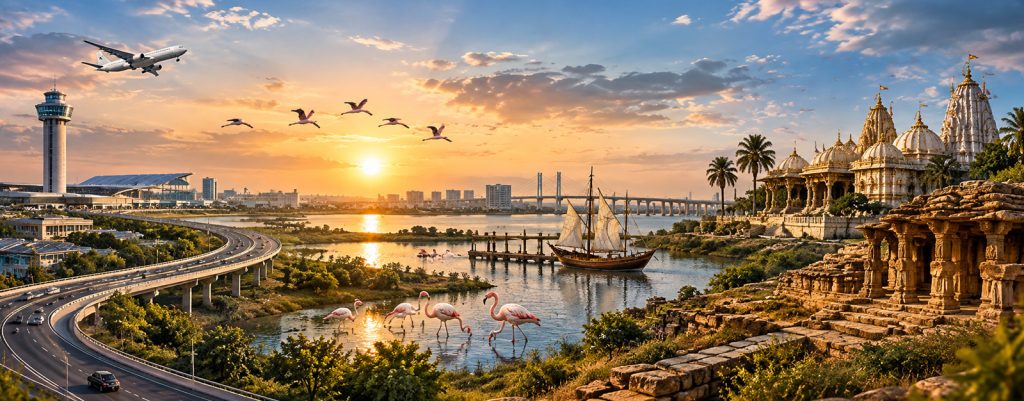
Dholera is widely known for its transformation into a greenfield smart city, but its story extends beyond infrastructure and business opportunities. The region forms part of Gujarat’s wider cultural landscape, with traditional lifestyles, festivals, heritage sites and historic destinations such as Lothal nearby. Today, Dholera culture is evolving alongside modern development.
Dholera culture and Gujarat
The cultural identity of Dholera is closely connected with Gujarat and its traditions. Gujarati language, festivals, food, religious practices, community gatherings and rural lifestyles remain important parts of the region’s social character.
Rather than viewing Dholera culture only through monuments, visitors can experience it through everyday life, local traditions and the surrounding landscape. The development of Dholera SIR (DSIR) is adding another layer to this identity as modern infrastructure and urban development gradually change the region.
Historical roots
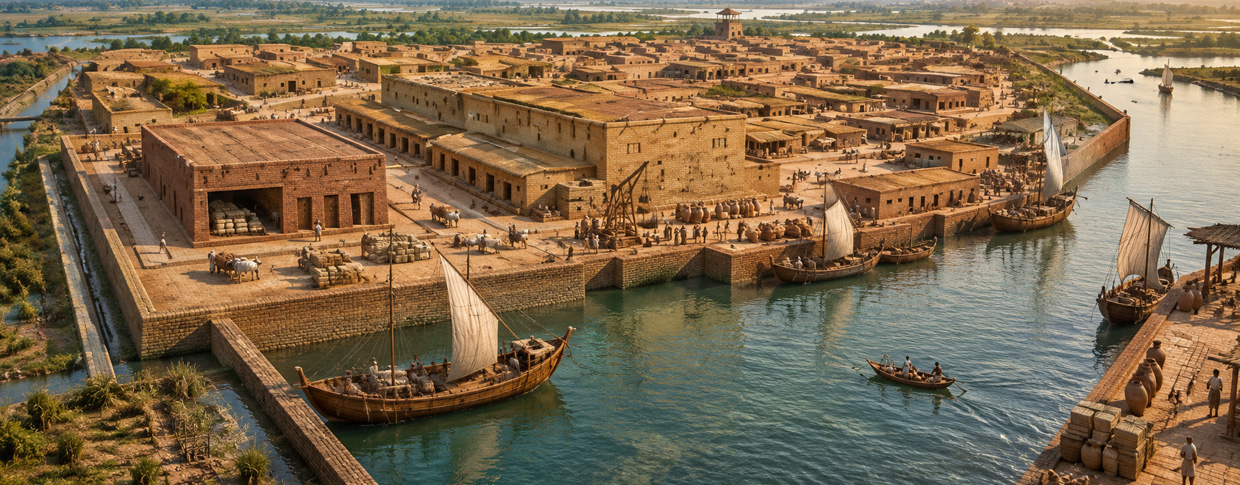
DSIR is part of a historically rich region known for settlement and trade. Nearby, Lothal, linked to the Indus Valley Civilization, features an ancient dockyard and evidence of trade and craft production, highlighting Gujarat’s commercial history.
It’s important to distinguish Lothal and Dholavira from DSIR, as they are separate archaeological sites. Dholera’s cultural importance is best appreciated through its ties to Gujarat’s heritage.
Lothal and heritage
A visit to Lothal can add a historical dimension to a Dholera trip. Its archaeological remains demonstrate ancient settlement planning, water management and trade.
For visitors interested in history, combining DSIR with nearby heritage destinations creates a broader experience of Gujarat. It also creates an interesting connection between ancient commerce and today’s planned greenfield smart city development.
Festivals and traditions
What are the main cultural traditions and festivals celebrated in Dholera?
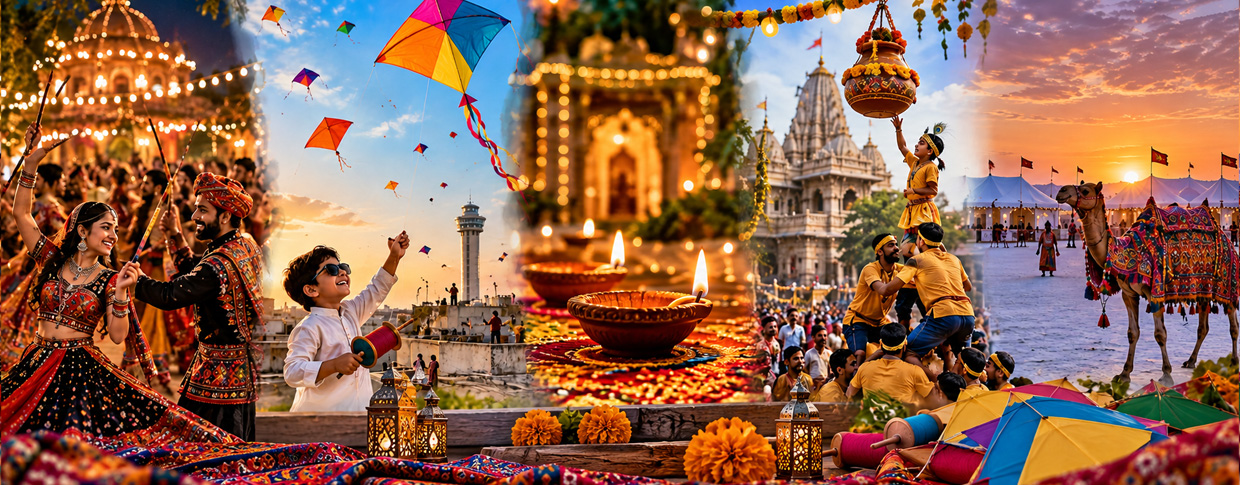
DSIR shares Gujarat’s wider festival culture, including Navratri, Uttarayan and Diwali. Music, dance, food, religious gatherings and community activities remain important elements of Gujarati cultural life. Specific celebrations can vary by location and year, so visitors should check local schedules before travelling.
These traditions allow visitors to experience the social side of Gujarat beyond infrastructure and construction.
Local lifestyle
The traditional lifestyle around DSIR has been influenced by rural communities, agriculture and local occupations. Daily life differs between villages and households, so it should not be treated as a single uniform lifestyle.
Meanwhile, smart city development is introducing new economic activity through construction, industry, infrastructure and services. This transition means local culture is developing alongside the region’s changing economic landscape.
What types of art and cultural activities can visitors experience in Dholera?
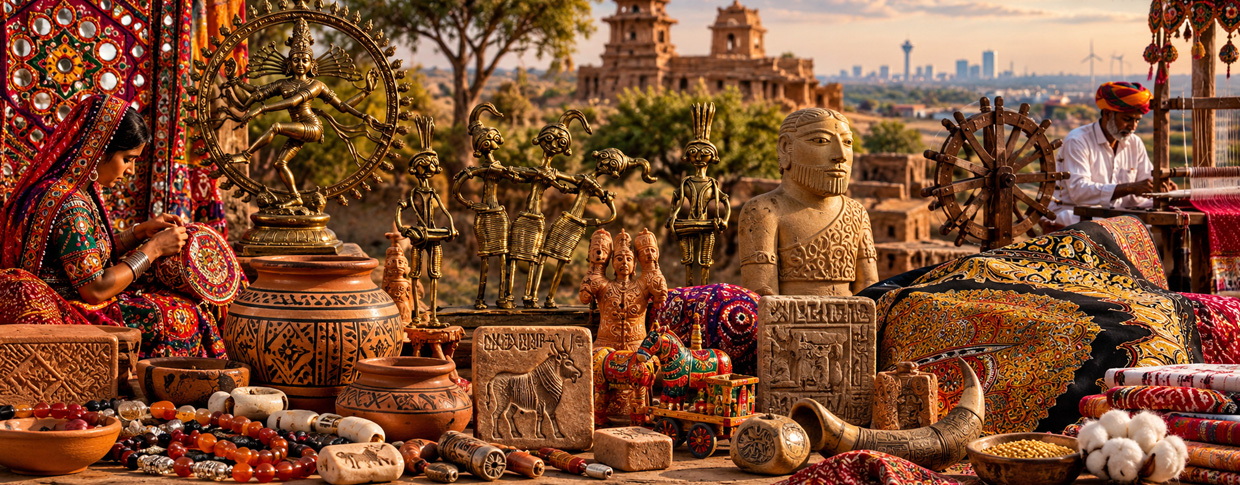
Visitors can experience the wider cultural character of Gujarat through folk music, traditional dance, festivals, handicrafts, textiles, local markets and community celebrations. DSIR itself is still developing as a tourism destination, so these experiences are better explored through the surrounding region rather than dedicated cultural venues.
Does Dholera host any regular cultural events or exhibitions?
DSIR does not currently have a large, established calendar of regular cultural exhibitions or major events. Visitors can instead explore Gujarat’s wider festival calendar and local community celebrations. As DSIR develop, future entertainment venues, exhibitions and convention centers could expand the area’s cultural offerings.
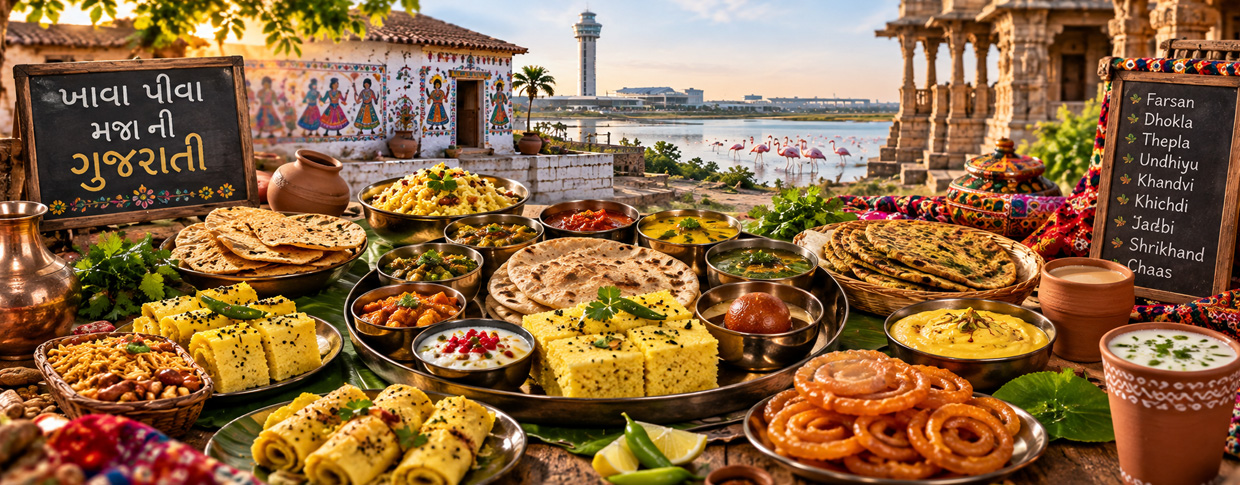
How can one explore the culinary culture of Dholera while visiting?
The best way to explore DSIR’s culinary culture is to experience traditional Gujarati food through local eateries and nearby communities. Visitors can look for regional favourites such as Gujarati thali, khichdi, kadhi, farsan and seasonal preparations. Exploring local food also offers a simple way to experience everyday Dholera culture beyond its developing infrastructure.
- What are the key cultural attractions or places to visit in Dholera?DSIR is an emerging destination, so its attractions differ from those of an established heritage city. Visitors can explore the surrounding rural landscape, local communities and DSIR, while nearby Lothal offers a major archaeological experience.
This combination of history and advanced urban planning gives the region a distinctive tourism story.
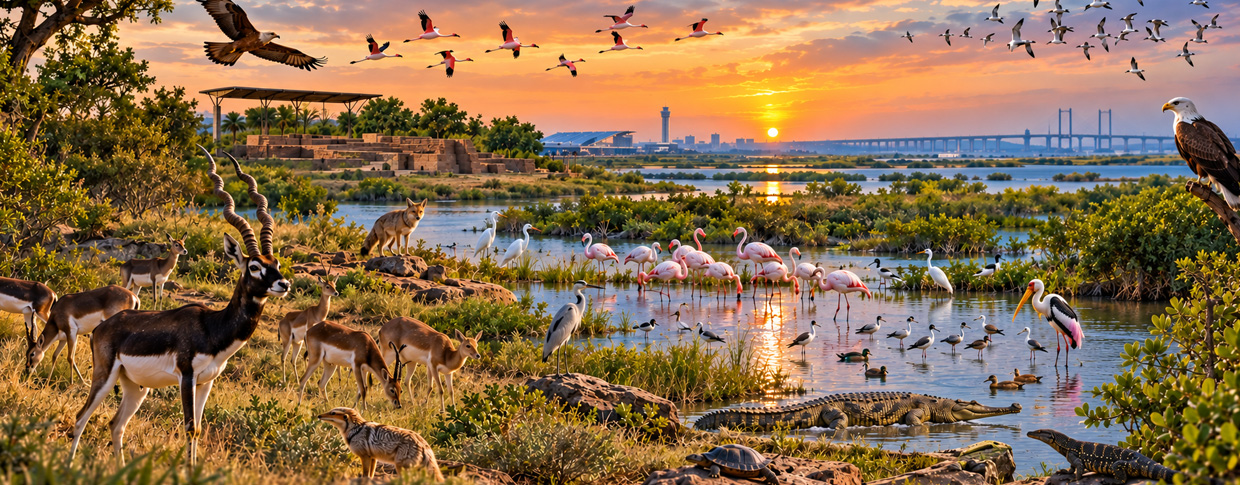
Dholera tourism today
Dholera tourism is increasingly connected with regional development and improving accessibility. The destination can appeal to heritage visitors, business travelers and people interested in Gujarat’s future growth. Its strategic location near Ahmedabad, connection with the DMIC, and planned infrastructure are shaping a new identity for the region. Dholera also features unique handicrafts and traditional arts specific to the area, including intricate weaving, pottery, and folk art, which reflect the cultural heritage of Gujarat. These crafts offer visitors an authentic glimpse into local traditions and provide a rich dimension to the overall tourism experience.
Its strategic location near Ahmedabad, connection with the DMIC, and planned infrastructure are shaping a new identity for the region.
The planned International Airport is also an important part of its long-term connectivity story. As development progresses, accessibility could become increasingly relevant to tourism and business.
DMIC and Ahmedabad
The DSIR is part of a wider industrial development strategy connected with the DMIC. Its relationship with Ahmedabad is important for connectivity, business and regional tourism.
DSIR’s position within larger development corridors also connects it with major urban centers and future growth opportunities. Improved connectivity can make the region increasingly accessible to investors, businesses and visitors from cities such as Mumbai and Delhi.
Leisure and future tourism
Dholera’s tourism potential extends beyond traditional holiday spots, emphasizing heritage, local cuisine, festivals, and business travel.
Future developments could include theme parks, entertainment venues, or convention centers, based on demand.
Digital tourism can improve experiences with clear maps showing routes between DSIR, Ahmedabad, Lothal, and other sites.
Dholera’s cultural future remains intertwined with its heritage and ongoing transformation.
The future of Dholera culture will be shaped by both heritage and transformation. Its connection with Gujarat’s traditions and Lothal provides a historical foundation, while the DSIR, smart city development and modern infrastructure are creating a new economic identity.
For Dholera tourism, this combination is what makes the region interesting. Visitors can experience a developing urban landscape while exploring the wider cultural and historical character of Gujarat.
As this special investment region develops, preserving local identity alongside economic growth will remain an important part of Dholera’s cultural landscape. Mirrikh continues to follow the region’s development and future opportunities.
FAQs
- Does Dholera host any regular cultural events or exhibitions?Currently, DSIR does not host a large, established calendar of regular cultural exhibitions or major annual events. Cultural activities in the area are primarily community-centric and align with Gujarat’s broader festival calendar, such as Navratri, Diwali, and Uttarayan. However, as the DSIR develops, planned infrastructure such as convention centers, civic spaces, and exhibition grounds are expected to create future venues for trade fairs, cultural expos, and public events.
How has Dholera Smart City influenced local culture?
The development of Dholera Smart City is transforming the region’s economy and infrastructure, impacting traditional rural communities. The key challenge is to harmonize modern growth with local identity as the DSIR evolves.