
Dholera’s smart traffic management is a key part of the city’s growth as India’s first greenfield smart city. Dholera is becoming a smoothly connected urban area that supports efficient movement, sustainable development, and long-term economic growth. It has digital infrastructure, renewable energy systems, and advanced mobility planning. The city wants to make transportation easier, safer, and more reliable for everyone by using smart traffic systems, adjustable traffic lights, and real-time monitoring. This will help improve living standards and connections.
Dholera’s use of smart traffic management isn’t just a technological upgrade; it’s a whole new way of thinking that combines urban planning with protecting the environment. The city can respond quickly to changing conditions thanks to smart traffic systems, which cuts down on traffic and travel times. Adaptive signals change based on the flow of traffic, which keeps traffic from getting stuck and lets vehicles move smoothly.
Real-time monitoring also makes things safer by allowing quick responses to incidents and making things better for pedestrians and cyclists.
Smart Mobility in India’s First Greenfield Smart City
Dholera, located in the state of Gujarat, forms an important part of India’s smart city project. As a carefully planned special investment region covering vast square kilometers, it integrates strong digital connectivity, green mobility planning, and efficient public-service infrastructure. This carefully planned setup helps put in place high-tech traffic management systems, which enable the city to handle transportation better and connect it with sustainable growth. The layout of industrial, residential, and commercial zones ensures that movement across the region remains smooth, predictable, and future-ready.
Smart Traffic Management Promotes Urban Growth and Efficiency
A powerful digital network supports the city’s mobility ecosystem by linking traffic signals, street-level sensors, and emergency service systems. With continuous data flow, traffic patterns can be evaluated instantly, enabling rapid decisions that help reduce delays and maintain efficient movement across the region. As Dholera continues to emerge as a major industrial city with expanding industrial units, efficient transportation has become a fundamental requirement for supporting economic growth, improving daily movement for workers, and enhancing overall quality of life for residents.
Intelligent Traffic Management Systems’ Base Technology
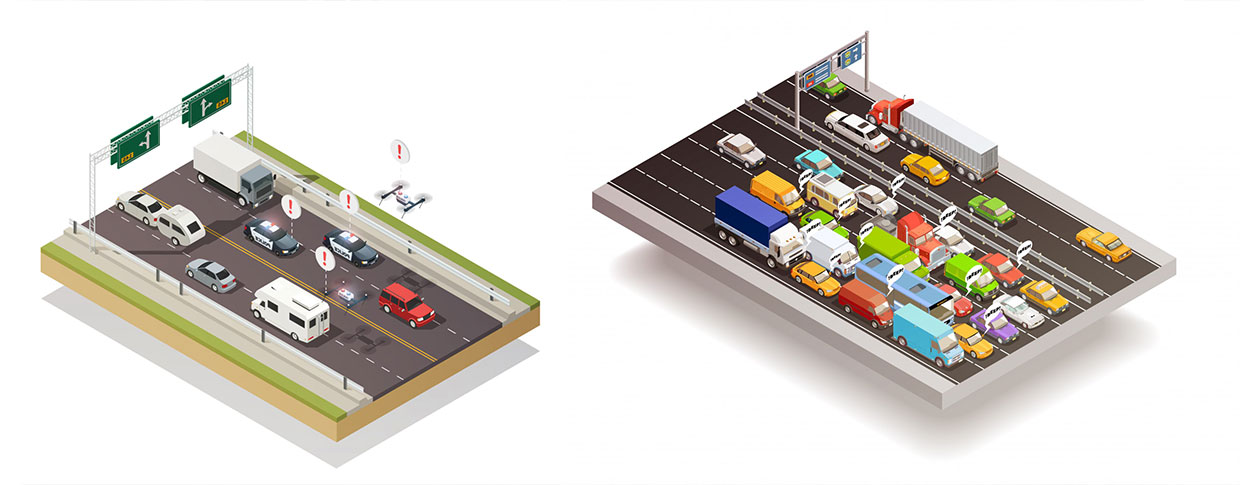
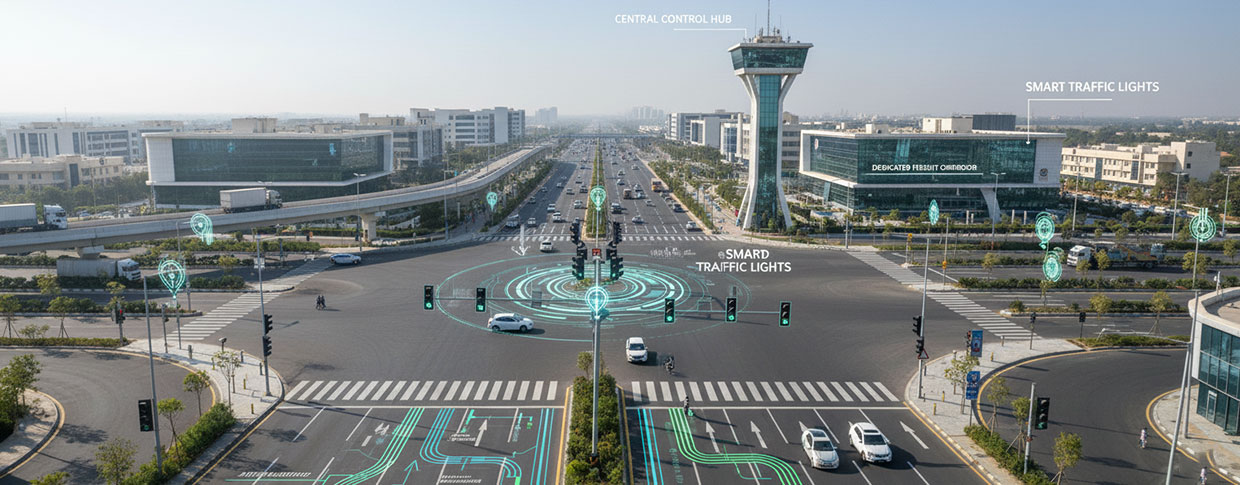
Adaptive traffic signals, IoT-enabled devices, data analytics platforms, and high-speed digital connectivity form the foundation of Dholera’s modern mobility framework. Adaptive traffic signals react to real-time density, enabling the system to automatically optimize signal timings and minimize unnecessary waiting. IoT devices and smart sensors installed across intersections monitor lane behavior, speed patterns, and transit density, providing accurate information to the command centers. Strong data analytics platforms support these insights by predicting mobility challenges, anticipating bottlenecks, and guiding smoother transportation outcomes. With fiber-based digital connections linking all major parts, the entire system can respond quickly and ensure reliable urban mobility during both busy and quiet times.
Sustainable Urban Development through Green Mobility
Dholera’s mobility framework strongly incorporates green mobility principles, creating a transport environment aligned with long-term environmental health. The city encourages electric cars by making it easier for them to charge with renewable energy and smart energy networks. With one of India’s largest solar park developments and strong solar power generation capacity, transit systems increasingly shift away from fossil fuels, contributing significantly to reduced emissions. Improved signal efficiency cuts down vehicle idling time, which helps improve air quality and reduce overall energy consumption. Walkable streets, cycle-friendly corridors, and well-maintained green spaces further strengthen sustainable living, making mobility healthier and more environmentally responsible.
Smart Traffic Management in the Activation Area and First Phase
The first part of Dholera’s development includes important transportation features like smart traffic lights, digital streetlights, and wide roads. The dedicated freight corridor integrates these networks, guaranteeing seamless logistics and industrial transportation. Important public services like waste management, water supply, and drainage systems also connect to mobility networks. This makes it less likely that service interruptions will affect road performance. This holistic approach ensures sustainable growth while preparing the region for large-scale expansion.
Supporting Industrial Development and Special Economic Zones
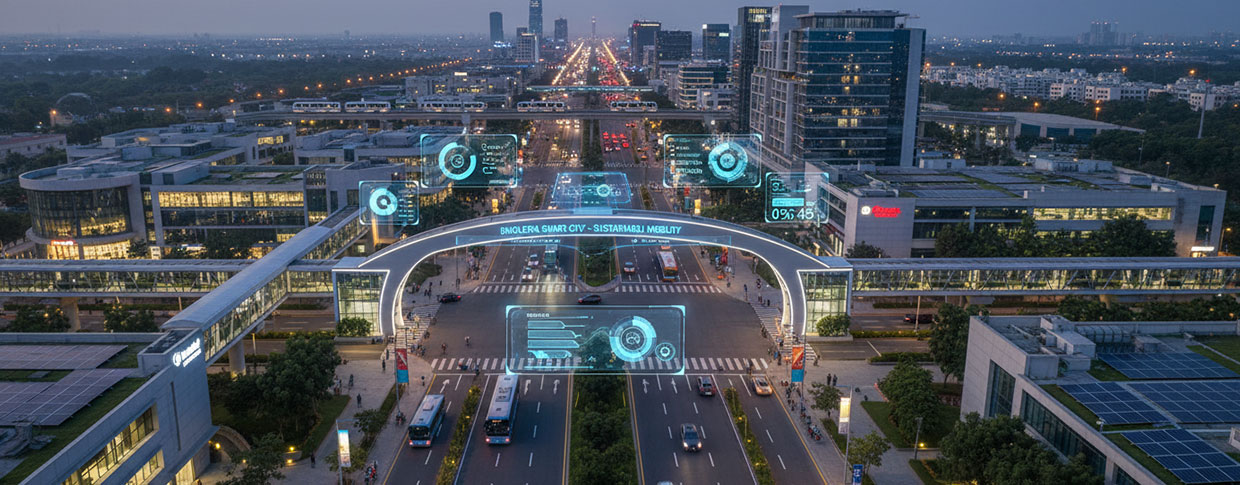
As a major special investment region, Dholera’s mobility design supports the smooth functioning of industrial clusters and special economic zones. Efficient movement across these zones enhances industrial development and enables faster transportation of goods, reducing operational expenses for industries. The planning approach helps the region maintain momentum as a high-potential economic center, supporting both sustainable development and long-term industrial competitiveness. With strong road networks, strategic connections, and dependable transport systems, Dholera remains positioned as one of the most future-ready industrial locations in India.
Enhancing Road Safety and Reducing Traffic Congestion Through AI
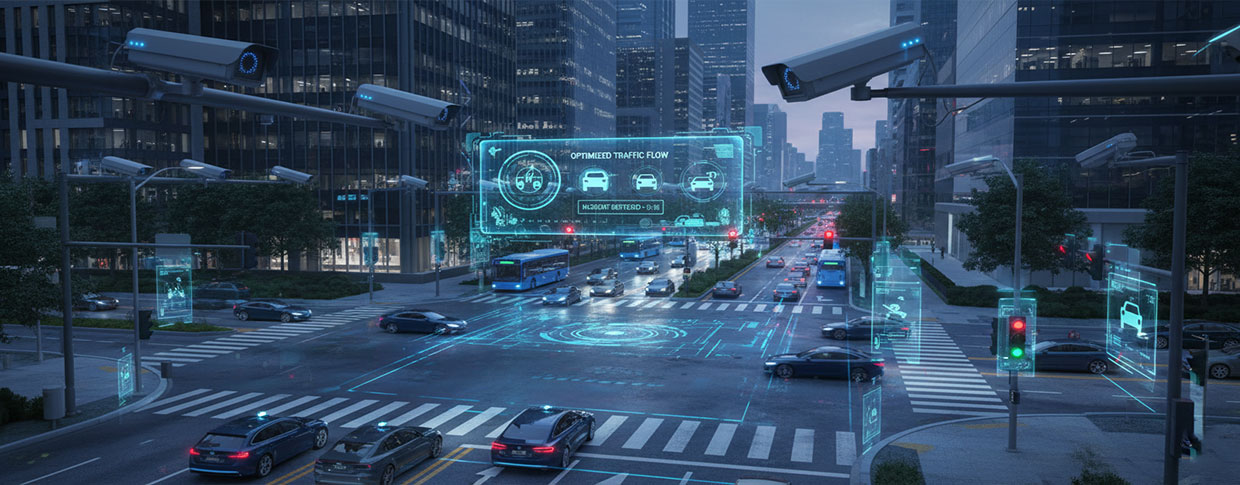
AI-enabled surveillance and real-time monitoring significantly strengthen road safety across the city. Intelligent systems can detect incidents quickly, enabling emergency teams to respond faster and reducing the risk of prolonged disruptions. Optimized signal cycles and automated coordination help prevent transit congestion, while smoother vehicle flow reduces unnecessary travel time. These improvements contribute to a safer and more comfortable transportation environment for residents and businesses.
Smart Parking, Street-Level Solutions, and Utility Integration
Smart parking solutions help reduce the time drivers spend searching for available spaces, lowering fuel consumption and improving convenience. Dholera’s drainage systems are engineered to prevent flooding, keeping roads functional even during extreme weather conditions. Street-level monitoring through cameras and sensors supports better crowd management, environmental measurement, and road-performance visibility. All these systems work in harmony to create stable, efficient, and predictable urban mobility.
Excellent Connectivity Through Road, Air, and Freight Networks
Dholera enjoys exceptional accessibility due to its strong connectivity infrastructure. The upcoming Dholera International Airport, expressway systems, and integration with the freight corridor strengthen its position as a strategically located part of India. This connectivity enhances mobility for residents, industries, and investors while improving transport efficiency across the region. The city’s strategic location further boosts its potential for trade, logistics, and regional development.
Sustainable Development and Smart Urban Vision
Dholera’s transit planning focuses on sustainability by aiming to use less fossil fuel, promote clean energy, plan the city well, and incorporate advanced technology for lasting benefits. These strategies contribute to sustainable urban development, ensuring that mobility remains reliable and environmentally responsible as the city grows.
Reducing Traffic Congestion Through Intelligent Systems
Smart signal cycles, automated alerts, and continuous data evaluation reduce bottlenecks and help ensure uninterrupted travel. The ability to respond proactively to emerging transit patterns enhances the city’s overall mobility reliability and supports both residential and industrial expansion.
Efficient Movement Through Connected Mobility Networks
Dholera’s unified transport ecosystem ensures the efficient movement of residents, public services, and industrial goods. The coordinated flow strengthens the city’s mobility stability and supports long-term infrastructure development, aligning with the region’s broader goals for smart growth.
What is Smart Traffic Management in Dholera?
Smart Traffic Management in Dholera is an AI-driven system that uses adaptive signals, real-time monitoring, IoT sensors, and predictive analytics to improve road safety, reduce congestion, and optimize traffic flow across the city, supporting sustainable transportation and better commuter experiences.
Smart Traffic Management in Dholera
The future of Smart Traffic Management in Dholera is shaping into a highly connected, data-driven, and sustainable mobility ecosystem that supports every aspect of daily life. As the city grows into a major greenfield smart city and industrial hub, its intelligent mobility systems will enable smoother travel, safer roads, and faster emergency response through continuous real-time monitoring and AI-based decision-making.
With renewable energy powering infrastructure, electric vehicles becoming more common, and digital connectivity linking every corridor, Dholera is expected to offer a travel experience where congestion is minimal, movement is predictable, and environmental impact is significantly reduced. The integration of smart sensors, automated transit controls, and efficient freight routes will not only make commuting easier for residents but also boost industrial logistics and economic activity.
Over time, these systems will help create a city where mobility is seamless, sustainable, and fully aligned with the vision of long-term urban development, setting a benchmark for future smart cities across India.
Conclusion: Smart Traffic Management in Dholera
Smart Traffic Management in Dholera combines clean energy, advanced digital technology, and strategic planning to create a sustainable mobility ecosystem. Through connected infrastructure, renewable power integration, and intelligent monitoring, the city is building a resilient, future-ready traffic environment that reflects India’s vision for modern urban development.