

Smart Waste Management in Dholera is a core pillar of the city’s long-term sustainability and infrastructure planning. As india’s first greenfield smart city, Dholera has been designed with environmental efficiency embedded directly in its development framework rather than added later as a corrective measure. This planning advantage allows the city to adopt advanced systems that support cleanliness, public health, and long-term economic growth from the very beginning.
Located within Dholera Sir (DSIR) in the state of gujarat, Dholera benefits from a strategic location between Ahmedabad and key industrial corridors, with strong links to major ports and national transport networks. As Dholera grows into a key place for investment and jobs, having a dependable waste management system is essential for keeping the city livable, ensuring investors feel confident, and promoting sustainable growth.
Dholera Smart City Vision and Environmental Planning
Dholera Smart City’s broader vision revolves around the creation of a self-sustaining urban ecosystem that harmonizes economic growth with environmental responsibility. Infrastructure related to transport, water supply, power distribution, housing, and public services is planned as an integrated network rather than isolated components. Within this ecosystem, Smart Waste Management in Dholera plays a supporting but essential role.
Clean surroundings are not treated as a cosmetic feature but as an economic and social necessity. We plan residential plots, commercial spaces, industrial zones, green spaces, and public amenities with waste flow, sanitation access, and service efficiency in mind. As population density and economic activity increase over time, this ensures that cleanliness standards remain consistent across the city.
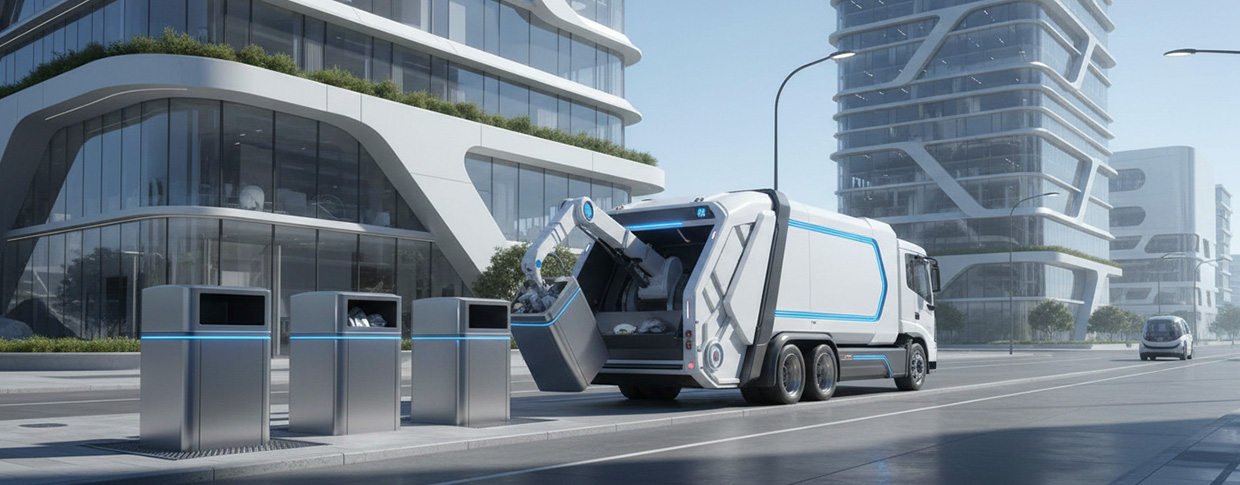
Greenfield Smart Cities Need Smart Waste Management
Being a greenfield smart city allows Dholera to avoid challenges commonly faced by older cities, such as limited land availability, outdated sanitation networks, and inefficient collection systems. Smart Waste Management in Dholera is therefore implemented using modern planning principles that focus on prevention, efficiency, and adaptability.
Instead of relying on fixed schedules and manual monitoring, the system is designed to respond dynamically to real-time conditions. This reduces unnecessary operational expenses, minimizes environmental impact, and ensures that services scale smoothly as new residential and commercial developments come online.
Digital infrastructure underpins city services
Digital infrastructure forms the foundation of service delivery across Dholera. The city utilizes the internet of things to establish a centrally monitored and managed network of connected utilities. IoT devices generate continuous data that supports informed decision-making, performance tracking, and predictive planning.
This digital layer connects sanitation services with other systems such as water usage monitoring, smart grids, and intelligent traffic management. As a result, waste handling operations align seamlessly with broader city functions, reducing inefficiencies and improving overall governance.
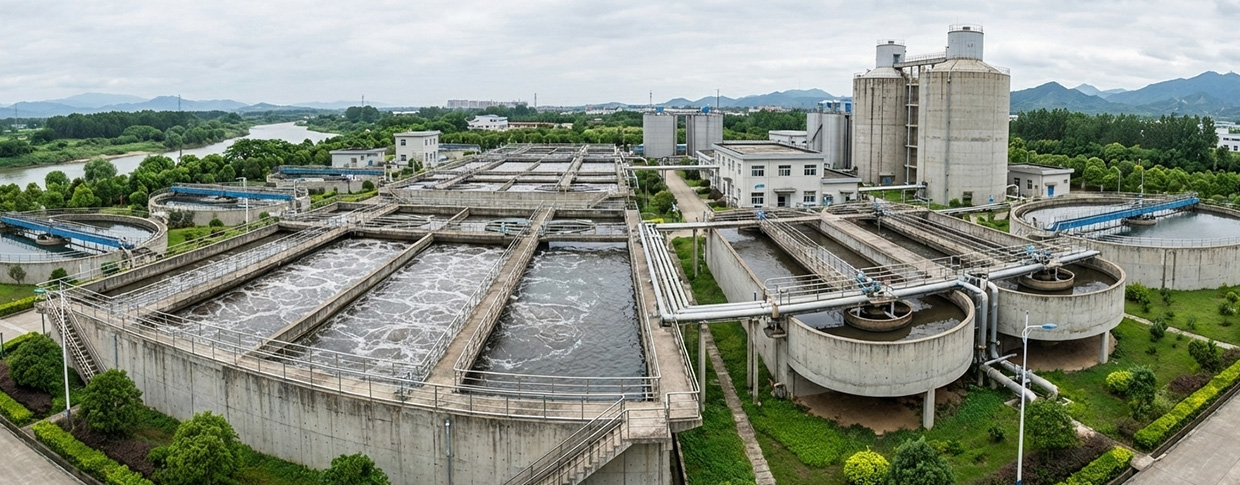
Key Waste Management System Components in Dholera
The waste management system in Dholera is structured around several key components designed to work together efficiently. These include smart collection points, data-driven logistics planning, centralized monitoring platforms, and structured processing facilities. Each component is planned to support sustainable design and long-term environmental goals.
Segregation at the source is encouraged to improve recycling outcomes and reduce landfill dependency. Organic and recyclable materials are handled separately to enable efficient processing and resource recovery. This approach not only reduces environmental impact but also supports circular economy principles that are increasingly important for future cities.
Role of Internet of Things and IoT Devices
IoT devices play a central role in improving operational visibility and efficiency. Sensors installed across city infrastructure help track system usage, service performance, and operational reliability. This data allows authorities to adjust collection frequency, manpower allocation, and logistics planning based on actual demand rather than assumptions.
Smart Waste Management in Dholera benefits significantly from this real-time visibility, enabling proactive maintenance and faster response to service gaps. Over time, such data-driven operations contribute to cost optimization and improved service quality across residential and commercial areas.
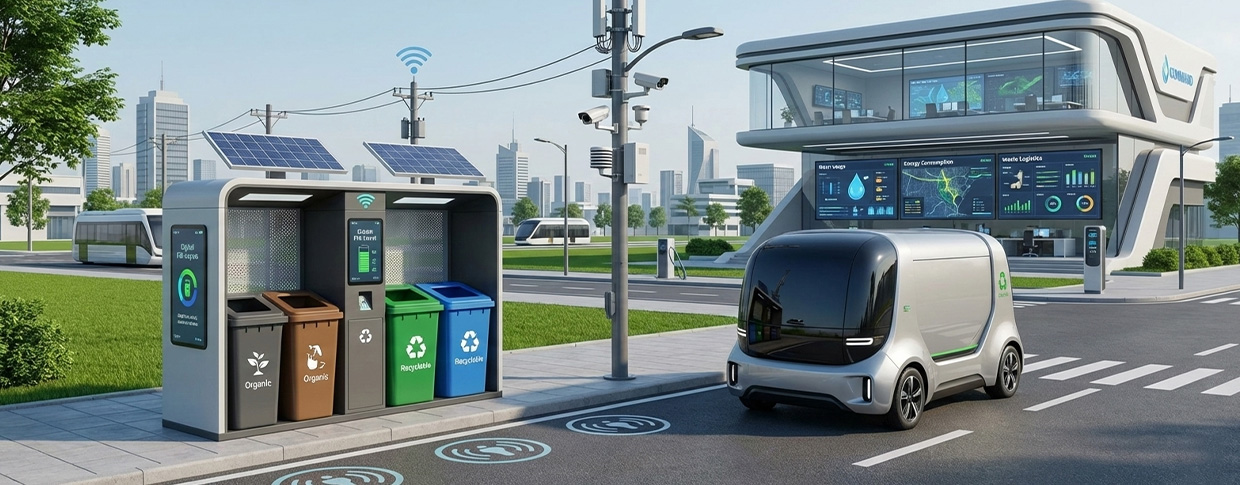
Renewable Energy Integration and Solar Power Support
Renewable energy is a critical element of Dholera’s sustainability strategy. Renewable energy sources, particularly solar power, are planned to support city operations and digital infrastructure. Integrating sanitation systems with smart grids ensures efficient energy distribution while reducing dependence on conventional power sources.
This approach aligns with national clean energy objectives supported by the Government of India and reinforces the city’s commitment to sustainable urban development. Clean energy integration also improves long-term operational resilience as energy demands grow.
Economic Growth and Clean City Infrastructure
A clean and well-managed city environment directly supports economic growth. Businesses, investors, and skilled professionals are more likely to commit to locations that offer reliable infrastructure, predictable services, and high living standards. Smart Waste Management in Dholera contributes to this by ensuring consistent cleanliness across all development zones.
With projections of lakh jobs being created across manufacturing, logistics, services, and technology sectors, environmental efficiency becomes a strategic advantage. Clean surroundings support workforce health, productivity, and long-term retention, making sanitation infrastructure an essential economic asset.
Which Organizations Are Involved in Implementing Smart Waste Solutions in Dholera?
The implementation of Smart Waste Management in Dholera involves coordinated efforts between national and state authorities. Policy direction and regulatory oversight are provided by the Government of India, while execution is supported by agencies operating under the state of gujarat responsible for development in part of dholera.
Urban development authorities coordinate planning, procurement, and system deployment. Technology providers and infrastructure consultants contribute expertise in advanced infrastructure, system integration, and long-term scalability. This multi-stakeholder approach ensures transparency, efficiency, and future readiness.
Connectivity Advantage and Logistics Efficiency
Dholera’s infrastructure planning benefits from excellent connectivity through the Ahmedabad–Dholera Expressway, proximity to major ports, and the proposed dholera international airport. This connectivity simplifies logistics for industrial activity, resource movement, and service delivery.
Efficient transport corridors ensure that waste processing, recycling outputs, and operational support systems function smoothly without disrupting daily life or economic activity.
A key strength of Smart Waste Management in Dholera lies in its close coordination with the city’s water supply and water usage planning. In most traditional cities, sanitation and water systems operate independently, often leading to inefficiencies, contamination risks, and resource wastage. Dholera’s integrated planning approach ensures that waste handling processes are aligned with water conservation goals from the design stage itself.
Recycling and processing facilities are planned to minimize freshwater consumption, while treated outputs are managed carefully to avoid stress on water resources. This coordinated approach improves environmental resilience and supports sustainable urban development as population density increases over time.
Dholera’s Smart Waste Management benefits
For residents, Smart Waste Management in Dholera translates directly into healthier surroundings and improved quality of life. Residential plots are planned with easy access to sanitation infrastructure, ensuring consistent service coverage without disruption. Smart homes benefit from predictable waste collection cycles, cleaner streets, and reduced exposure to environmental hazards.
The emphasis on livability goes beyond cleanliness. Well-maintained surroundings encourage community interaction, outdoor activity, and long-term settlement. As more families choose to live and work in Dholera, effective trash management becomes a foundational element of sustainable living rather than a background service.
Commercial Spaces and Dedicated Industrial Zones
Commercial spaces and dedicated industrial zones place high demands on waste handling due to higher activity levels and regulatory requirements. Smart Waste Management in Dholera supports these zones by offering structured systems that align with operational needs and compliance standards.
Industries operating within Dholera benefit from predictable service delivery, reduced downtime, and alignment with global sustainability expectations. This reliability strengthens the city’s position as a preferred destination for manufacturing, logistics, and technology-driven enterprises seeking long-term operational stability.
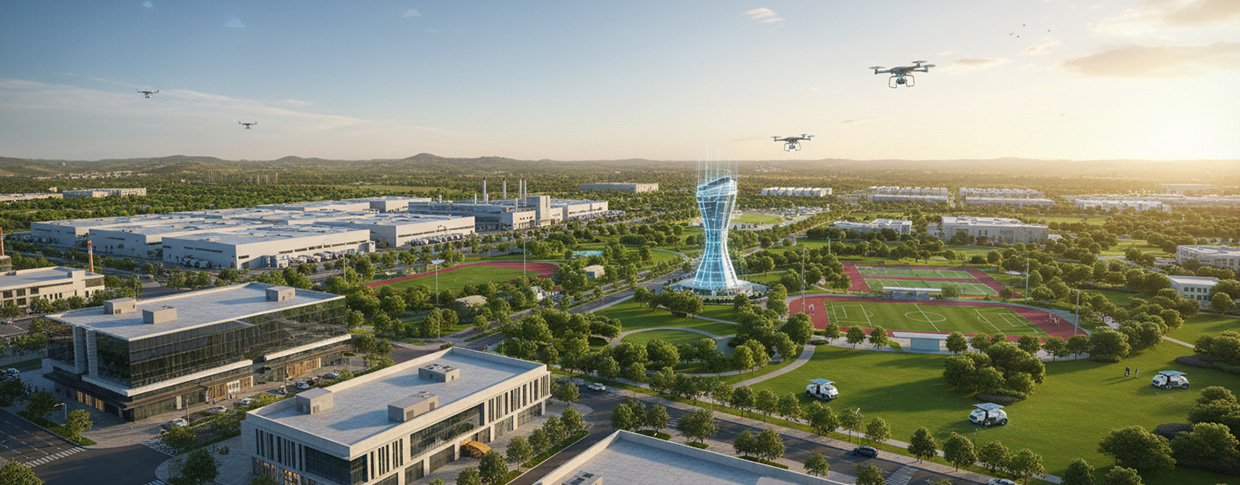
Green spaces, sports complexes, and environmental balance are key components of Dholera’s urban design.
Environmental balance is a central theme in Dholera’s urban design. Green spaces and sports complexes are not treated as leftover land but as essential components of the city’s planning framework. These public spaces are easier to use and promote healthy living when they are clean.
Smart Waste Management in Dholera supports these spaces by ensuring regular maintenance, preventing litter accumulation, and protecting soil and vegetation quality. As public spaces become active social hubs, consistent cleanliness contributes to both environmental health and community well-being.
Role of Advanced Infrastructure in Long-Term Scalability
Advanced infrastructure allows Dholera to adapt as the city grows. Systems are designed with scalability in mind, ensuring that future expansion does not compromise service quality. Smart Waste Management in Dholera benefits from this forward-looking approach by allowing capacity upgrades without large-scale disruption.
As new residential clusters, commercial developments, and industrial facilities are added, infrastructure systems can be extended logically rather than rebuilt. This flexibility is critical for future cities that aim to grow without repeating the mistakes of unplanned urban expansion.
Economic Development and Employment Generation
Sustainable infrastructure plays a direct role in economic development. Clean environments improve investor perception, workforce satisfaction, and long-term asset value. Smart Waste Management in Dholera supports these outcomes by maintaining high environmental standards across the city.
With employment generation projected in the range of lakhs of jobs across multiple sectors, sanitation efficiency becomes a key factor in workforce health and productivity. Cities that fail to manage cleanliness effectively often struggle with long-term retention, whereas Dholera’s planning aims to avoid such challenges from the outset.
Digital Governance and Data-Driven Decision Making
Digital governance enhances accountability and operational transparency. Data collected from connected systems allows city administrators to evaluate performance trends, optimize resource allocation, and plan future upgrades. Smart Waste Management in Dholera benefits from this governance model by enabling proactive rather than reactive service delivery.
Over time, analytics-driven planning will help refine service models, reduce costs, and improve citizen satisfaction. This capability positions Dholera as a technology-enabled city prepared for evolving urban demands.
Smart Waste Management in Dholera: A Reference for Future Cities
As one of the most comprehensively planned greenfield developments in India, DSIR provides important lessons for other emerging cities. Smart Waste Management in Dholera demonstrates how integrated planning, digital infrastructure, and sustainability-focused design can address long-standing urban challenges effectively.
The model highlights the importance of treating waste handling as an integral part of city planning rather than a standalone utility. This perspective is increasingly relevant as cities seek long-term resilience and environmental responsibility.
Long-Term Vision for Sustainable Urban Development
Looking ahead, Smart Waste Management in Dholera will continue evolving alongside advancements in renewable energy, digital infrastructure, and city-scale automation. As technology advances, we can upgrade systems to enhance efficiency, minimize environmental impact, and accommodate expanding populations.
This long-term vision ensures that Dholera remains adaptable, resilient, and aligned with global sustainability benchmarks. Planning for future needs today reduces risks and strengthens the city’s ability to thrive over decades rather than years.
Conclusion: Smart Waste Management in Dholera
Smart Waste Management in Dholera represents more than a sanitation solution; it reflects a holistic approach to city-building. By integrating environmental responsibility, advanced infrastructure, and digital governance, DSIR sets a strong example of how future-ready cities can support economic growth while protecting natural resources.
As India’s first greenfield smart city, Dholera demonstrates that thoughtful planning and sustainable design are essential foundations for clean, livable, and resilient urban environments.