
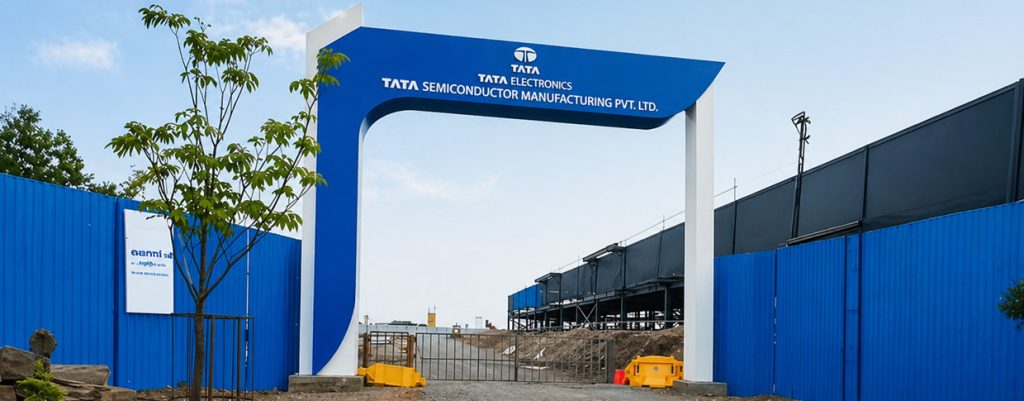
The Tata semiconductor plant in Dholera is transforming India’s position in advanced electronics manufacturing. Developed by Tata Electronics under the Tata Group, this large-scale fabrication facility is part of the Dholera Special Investment Region, a fast-growing smart city backed by the Gujarat government. With a ₹91,000 crore total investment, this project is expected to anchor India in the global chip ecosystem.
Why Tata Semiconductor Foundry in Dholera is a major milestone
The Tata Semiconductor Foundry in Dholera represents India’s first full-scale chip production unit. Unlike earlier assembly-focused projects, this fabrication plant will produce chips used in artificial intelligence, data storage, and display drivers, strengthening domestic capabilities and reducing import dependency across industries.
When is the Tata semiconductor plant in Dholera expected to be completed?
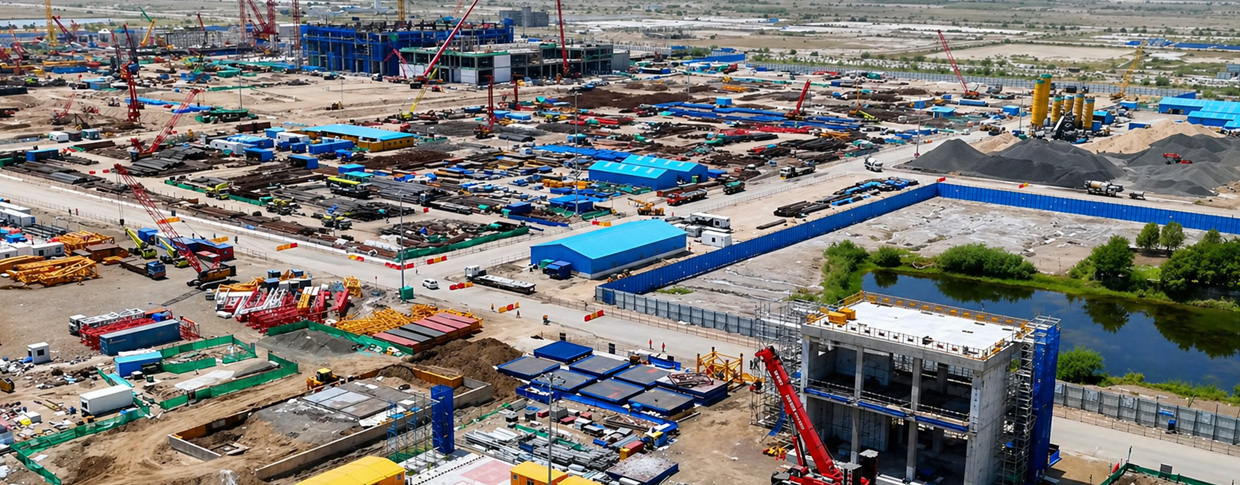
The Tata semiconductor plant in Dholera is progressing in phases, with construction already underway after approvals from the Union Cabinet. Based on current timelines, initial operations are expected within the next few years, with key milestones aligned with upcoming financial cycles.
Strategic location advantage of Tata chip manufacturing plant
Located inside a special investment region, the project benefits from strong infrastructure and logistics support, including proximity to the Dholera International Airport. Announcements at the Vibrant Gujarat Global Summit highlighted this region as a major hub for industrial growth and high-tech investments, improving access to global markets.
Technology and partnerships
A key collaboration with Powerchip Semiconductor Manufacturing Corporation, also known as Taiwan’s Powerchip Semiconductor Manufacturing Corporation, brings global expertise into India’s manufacturing ecosystem. This partnership enables production of advanced chips required for modern applications across industries.
Investment scale and job creation impact
With a total investment approaching a lakh crore, the project is expected to generate thousands of skilled jobs along with a large number of indirect skilled jobs. Alongside developments like Micron Semiconductor Technology India and emerging players such as CG Semi, this facility strengthens the overall value chain.
Manufacturing ambitions
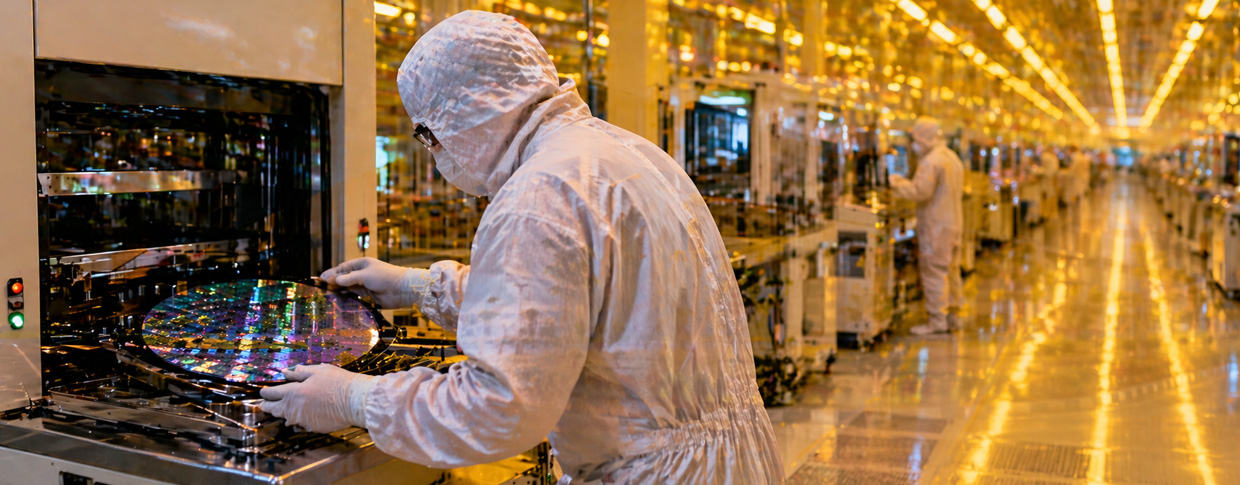
India’s push into semiconductor manufacturing has gained momentum through policy support and strategic investments. Backed by the India Semiconductor Mission, this project plays a crucial role in building domestic value chains and reducing reliance on imports.
Integration into global chip ecosystem
The facility strengthens India’s position in the global chip ecosystem by improving supply chain resilience. It enhances the country’s ability to serve global customers and supports long-term participation in the global chip industry.
Tata Group expansion strategy in Gujarat
Under N Chandrasekaran, the group is expanding rapidly in Gujarat. This fabrication unit aligns with long-term plans in electronics, infrastructure, and advanced manufacturing, positioning the region as a future-ready industrial hub.
Future outlook
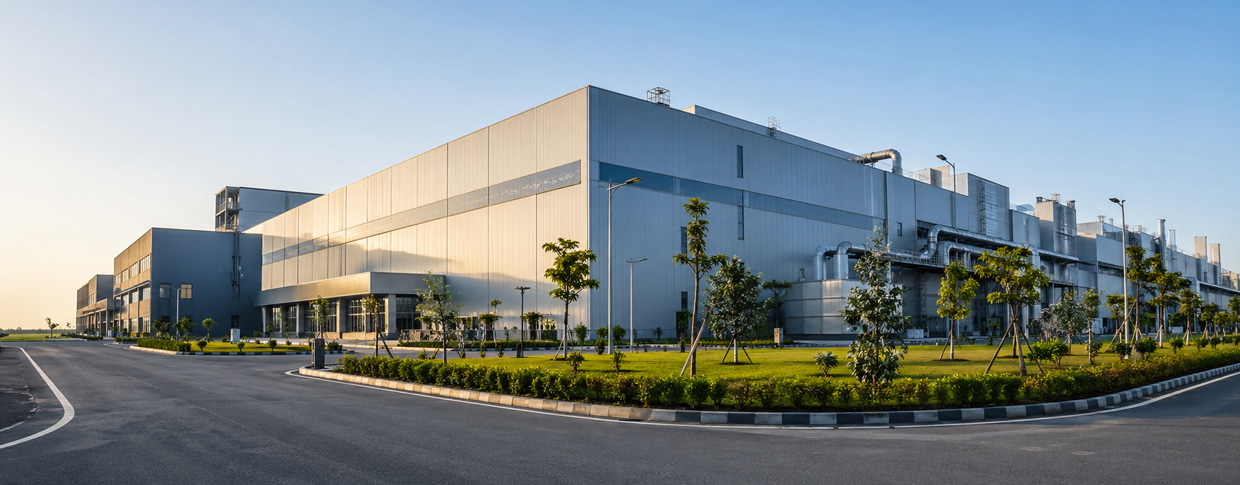
As demand for chips continues to rise globally, India is positioning itself as a reliable manufacturing destination. This project supports industrial growth, strengthens domestic capabilities, and enhances long-term investment potential in high-tech sectors. The project timeline for Tata’s semiconductor plant in Dholera is expected to span several years, with construction anticipated to begin in 2024 and production targeted to start by 2027, reflecting the scale and complexity of establishing a state-of-the-art semiconductor facility.
Why does this project matter beyond just technology?
This project represents a shift in how India approaches advanced manufacturing and global competitiveness. It brings together infrastructure, policy support, and international expertise to create a strong foundation for future industries. By enabling local production of critical components, it reduces reliance on imports and improves supply resilience. It also opens doors for innovation across sectors like electronics, automotive, and digital services. Most importantly, it creates opportunities for skilled talent, encourages research and development, and positions India as a serious participant in the evolving global technology landscape.
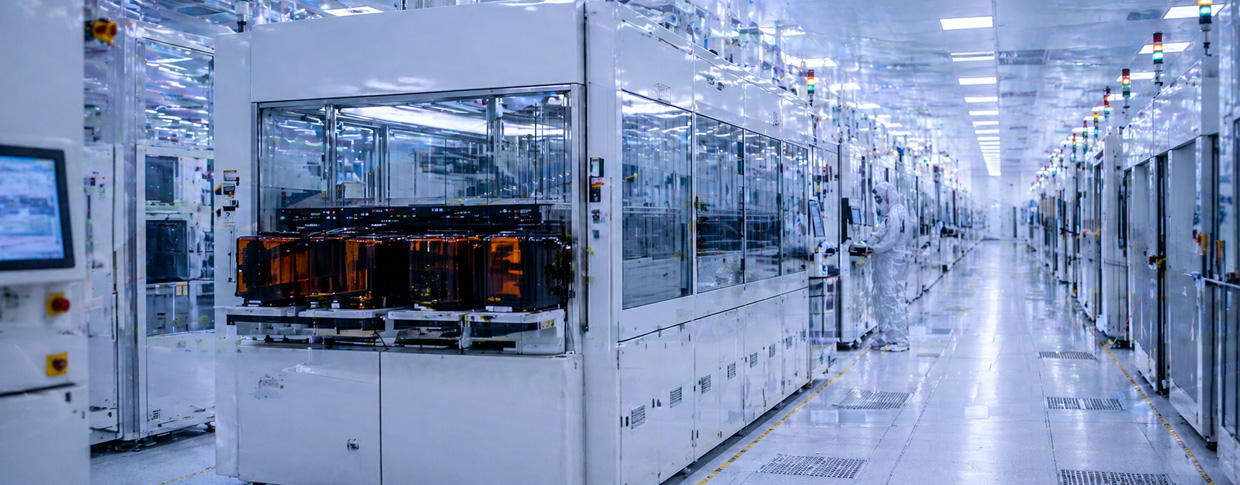
It also signals a deeper transformation in how large-scale projects are executed in India, where speed, scale, and coordination are beginning to align more effectively. Such developments tend to attract ancillary industries, creating clusters that multiply economic activity over time. As supporting infrastructure improves, the surrounding region becomes more appealing for businesses, investors, and skilled professionals. This ripple effect can accelerate urban development, improve employment quality, and strengthen long-term economic stability, making it not just an industrial milestone but a catalyst for broader regional and national growth.
Conclusion: Tata semiconductor plant in Dholera
The Tata semiconductor plant in Dholera marks a defining moment in India’s industrial journey. With strong partnerships, advanced technology, and strategic planning, it supports economic growth and reinforces India’s presence in the global chip manufacturing landscape.