
Education in Dholera Smart City: Future Opportunities
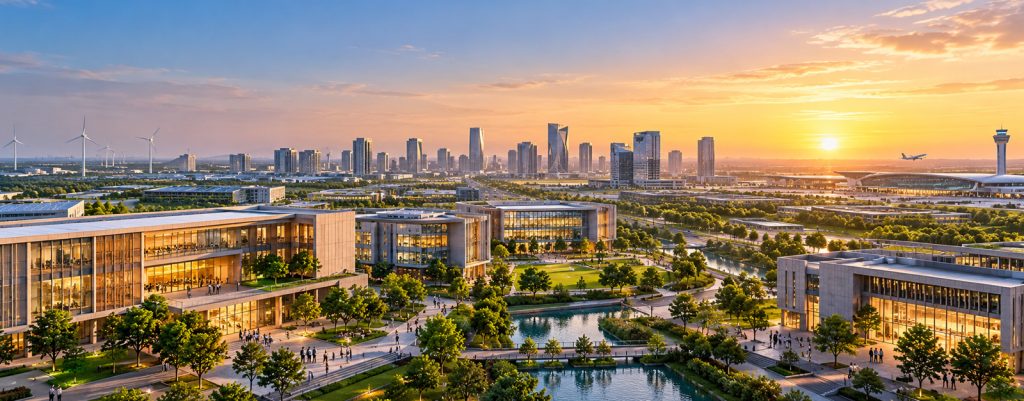
Education is a key part of building a thriving community and successful smart city. As Dholera Gujarat develops as a special investment region, industrial destination and technology-oriented urban centre, Academics will become increasingly important for students, professionals and families.
The vision for Education in Dholera Smart City includes schools, colleges, research centers, skill development and technology-enabled learning. Dholera is being developed as a planned smart city, with social infrastructure designed alongside industrial expansion and urban development.
Dholera is often described in promotional discussions as India’s first smart city and India’s first greenfield smart city focused on clean energy. More precisely, official development material describes it as a greenfield industrial smart city. Its education ecosystem is therefore being planned alongside the wider Dholera Smart City project.
What Educational Facilities Are Planned for Education in Dholera Smart City?
The education ecosystem is still developing, so it would be inaccurate to describe the entire area as an established education centre like Ahmedabad or Gandhinagar.
Official planning for the Activation Area identifies nursery and primary schools, secondary schools, an integrated school, a scientific research institute, a general college and a professional college. These facilities form part of the planned social infrastructure of Dholera SIR (DSIR).
This creates a foundation for Dholera education, covering school, higher Academics, research and professional learning.
How Will Dholera Education Hub Develop in Gujarat?
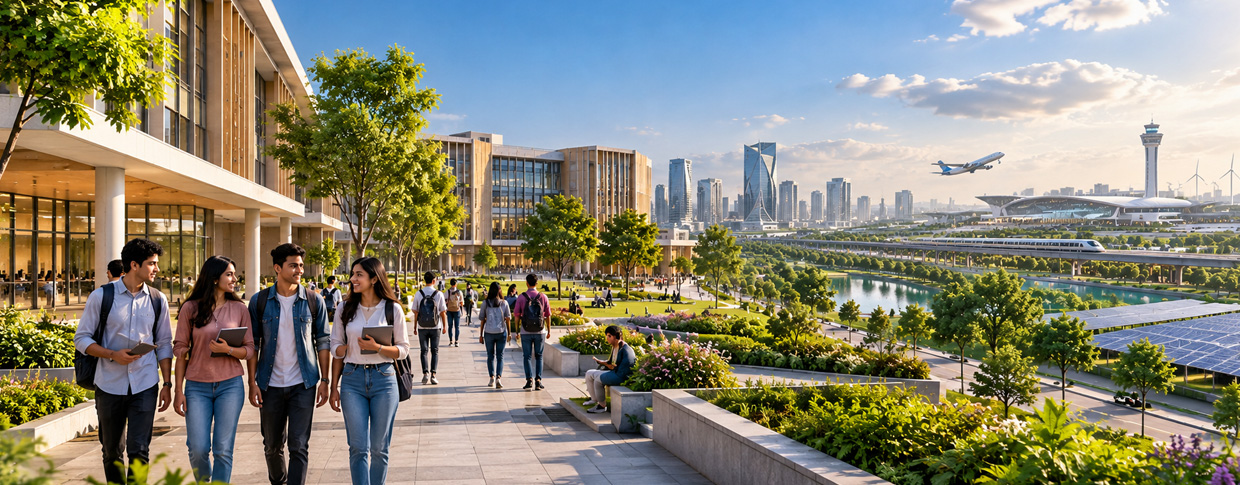
The idea of a Dholera education hub is closely connected to the city’s sustainable development and extensive renewable energy usage, as well as its industrial and technology-focused growth, fostering deep collaboration. Academics is planned alongside employment centres, housing, digital infrastructure and community facilities.
The Knowledge and IT Zone is particularly relevant because planning references associate it with universities, colleges, research centers, IT facilities and technical centres. This could encourage collaboration between academic institutions, researchers and it companies.
The core master plan of the Dholera connects these facilities with the wider economic and urban structure. The crucial question is how quickly planned institutions become operational and connect with developing industries.
What Schools and Colleges Are Planned?
The planned educational structure covers nursery and primary Academics, secondary schools, integrated schools, general colleges and professional colleges. Development standards also provide for educational facilities serving children with disabilities.
A reported milestone was the groundbreaking of the first integrated school in 2025. Its operating status should be checked against the latest official information before making admissions-related decisions.
The longer-term objective is to provide education within the developing city rather than requiring families to depend on neighbouring urban centres.
What Role Does the Knowledge and IT Zone Play?
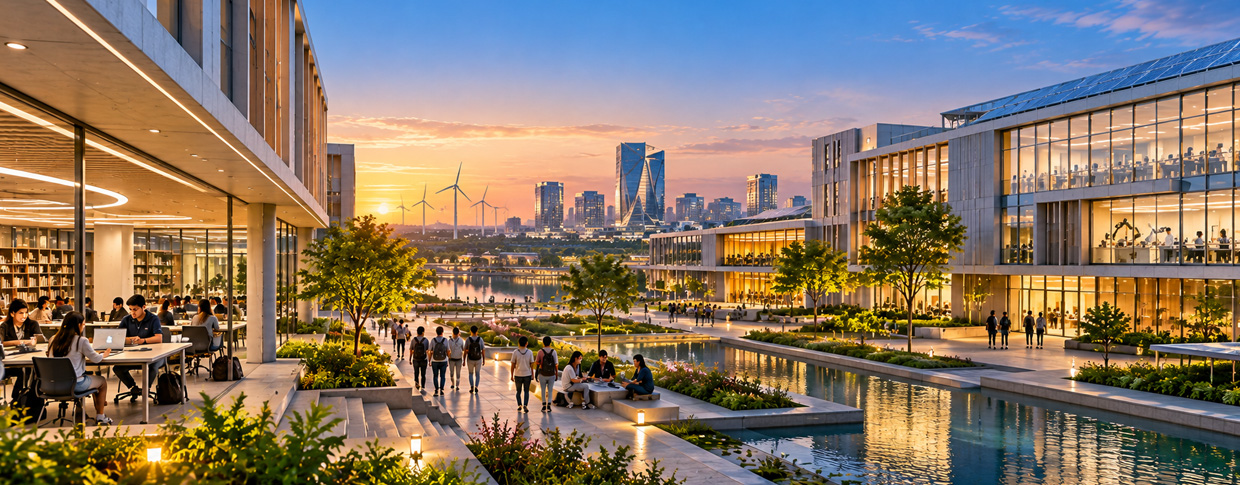
The Knowledge and IT Zone is intended to support education, research and technology-oriented activities. Planning material associates the zone with university campuses, professional colleges, research centers, technical centres and IT parks.
This makes it relevant to Dholera’s ambition to become a global powerhouse for advanced industries. Its industrial focus also connects with the global electronics supply chain, creating potential demand for engineering, artificial intelligence, automation and advanced manufacturing skills.
An innovation district built around educational institutions, research facilities and businesses could strengthen these connections.
What Government Initiatives Support Education?
The Government of Gujarat has established wider education and research programmes supporting higher Academics, research, faculty development and knowledge networks.
At the Dholera level, education forms part of planned social infrastructure. The approach supports holistic development, where Academics contributes to employment, innovation, social infrastructure and quality of life.
Educational facilities also require roads, utilities, housing, healthcare, community facilities and digital services, making coordination with wider urban development important.
Is a Special Education Region Planned?
The term special education region needs care because it can describe a planned concept rather than an operational education district.
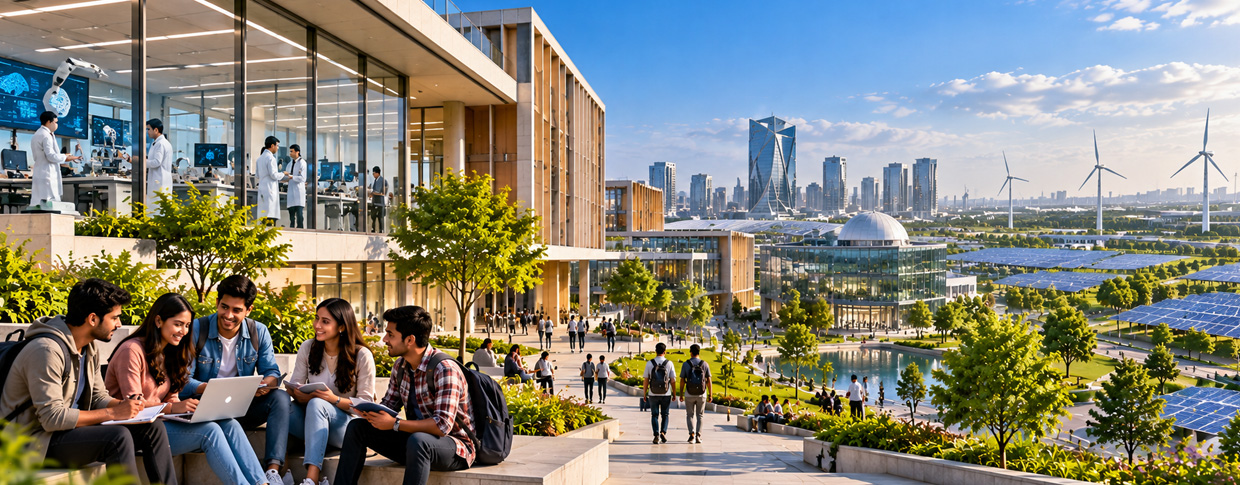
The Knowledge and IT Zone is the more relevant planned location for universities, research institutions and technology-related academics. Educational plots can support future educational expansion as the population grows.
The planning framework also includes provisions for schools serving children with disabilities, supporting a more inclusive approach to education.
How Will AI and Digital Infrastructure Shape Education?
Dholera’s emphasis on digital infrastructure could influence future schools and colleges. Technology-oriented industries create demand for skills in artificial intelligence, electronics, automation, data science, and advanced manufacturing, alongside sustainable practices in education.
Smart buildings and connected infrastructure could support digital classrooms and technology-enabled administration. These systems may eventually become part of the daily lives of its vast student population.
However, technology alone does not create good academics. Experienced teachers, suitable curricula, laboratories and academic management remain essential. Institutions may require faculty members with years of experience across teaching, research and industry.
What Role Will Research and Innovation Play?
Research will be a critical component of a knowledge-based economy. Dholera’s planning includes scientific research facilities, while the Knowledge and IT Zone provides a framework for research-oriented development.
Future research centers and research labs could focus on renewable energy, electronics, advanced manufacturing, artificial intelligence and sustainable urban systems.
This could encourage corporate research, where academic institutions and businesses collaborate on practical problems. Companies may also create demand for specialised professionals, including engineers, technology experts and cost accountants.
How Does Education in Dholera Compare With Other Gujarat Cities?
Dholera’s education ecosystem should currently be viewed differently from established educational centres such as Ahmedabad, Vadodara, Surat and Gandhinagar.
Those cities have mature networks of universities, colleges, schools and research organisations. Dholera is being developed as a new urban centre, meaning many facilities are planned alongside infrastructure rather than inherited from an existing city.
Connectivity will also matter. The Dholera International Airport, along with regional road connectivity, could eventually improve accessibility for students, researchers and professionals. The upcoming Dholera International Airport should be described according to its actual operational status at publication.
How Will Educational Institutions Affect Dholera’s Development?
Educational institutions can influence urban development beyond classrooms. Schools and colleges create demand for housing, transport, retail, healthcare, food services and other community facilities.
A growing student population can support the real estate market around education and employment clusters. However, academics should not be presented as a guaranteed driver of property appreciation. Current rates, land pricing and indicative pricing depend on location, zoning, infrastructure and wider market conditions.
The fundamental truth is that academics can become a development multiplier, but its impact depends on institutions becoming operational.
Who Are the Main Stakeholders?
Ecosystem of Education in Dholera Smart City will involve government authorities, planning agencies, educational operators, developers, industrial companies and research organisations.
The Dholera Special Investment Region is being developed through coordinated public infrastructure and private-sector participation. Educational institutions therefore need community integration with housing, transport, healthcare and employment.
A school or university needs more than a building. It requires faculty, students, laboratories, utilities, transport and connections with the surrounding economy.
What Future Opportunities Will Dholera Offer?
As development progresses, students could find opportunities across school, professional academics, engineering, technology, research and industry-linked training.
The Knowledge and IT Zone could support universities, professional colleges, research institutes and technology businesses. Potential fields include artificial intelligence, electronics, renewable energy, automation and advanced manufacturing.
A flagship institution could eventually strengthen the city’s academic identity, while professional training could support lifelong learning.
International partnerships may also create opportunities for fantastic international student exchange programs, but such claims should be used only when specific institutions formally announce these programmes.
What Is the Real Estate Connection?
Education can strengthen the supporting ecosystem around an emerging city. Once schools, colleges and research facilities become operational, they can create demand for accommodation, retail, hospitality and other services.
This is why educational plots and proximity to a future Dholera knowledge hub receive attention in real estate discussions.
However, investors should separate planned infrastructure from operational infrastructure. Property decisions should consider title documents, zoning, road access, infrastructure status and applicable regulations rather than relying only on a proposed institution.
Claims concerning facilities such as Dholera Medical College should likewise be checked against formal announcements before being presented as operational facts.
Why is Education in Dholera Smart City a priority?
Education in Dholera Smart City is a priority to foster innovation and prepare students for future job markets. By integrating modern teaching methods and advanced facilities, the city aims to cultivate skilled professionals who can contribute to economic growth while enhancing the overall quality of life for its residents.
Conclusion
The future of higher education in Dholera Smart City depends on converting planned infrastructure into functioning institutions through sustainable planning. Current planning identifies primary schools, secondary schools, an integrated school, colleges, and scientific research facilities within the city’s social infrastructure framework.
The Knowledge and IT Zone adds a planned environment for higher academics, research and technology-related development. Combined with industrial growth, renewable energy and digital infrastructure, this could support a more complete academics ecosystem.
Dholera is often promoted as India’s first greenfield smart city, while official material more precisely describes it as a greenfield industrial smart city. Its educational development should ultimately be measured through operational institutions, qualified faculty, research activity, industry partnerships and accessible community facilities.
As industrial expansion occurs, education can significantly support Dholera’s community and economy.