
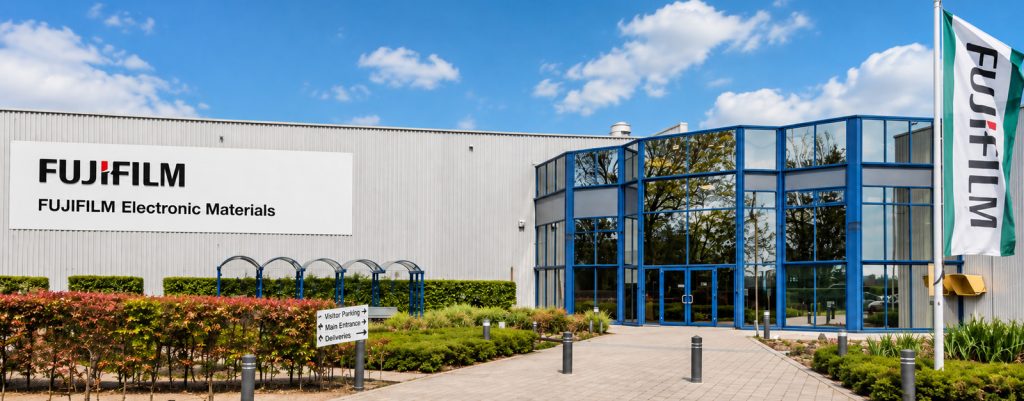
Fujifilm has announced plans to invest approximately ₹800 crore in a semiconductor materials plant in Dholera Special Investment Region (DSIR), Gujarat. The partnership with Tata Electronics aims to strengthen India’s semiconductor ecosystem and create a more resilient semiconductor supply chain.
The proposed manufacturing facility will be developed in phases to support Tata Electronics’ upcoming Dholera fab. The project brings together Fujifilm electronic materials, Japanese supply chain expertise, Indian companies, and Dholera’s growing industrial ecosystem.
What Is the Fujifilm Dholera Plant?
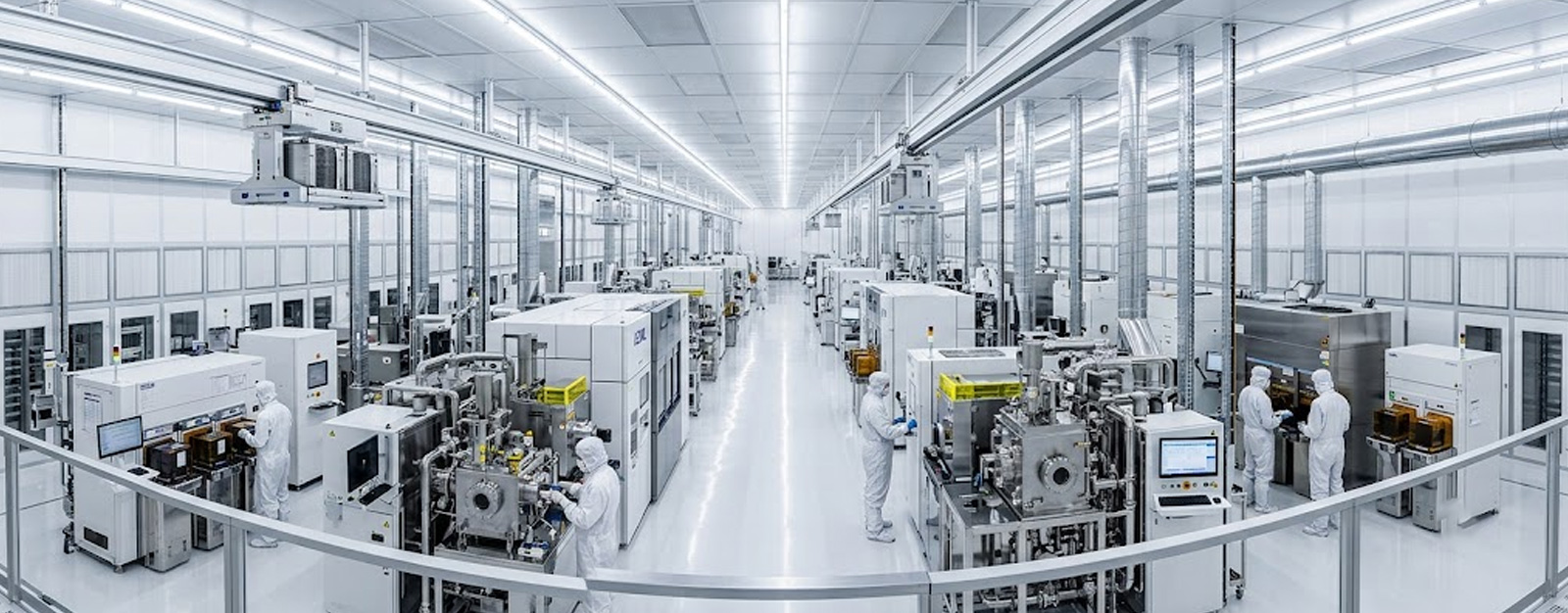
The Fujifilm Dholera plant is a planned semiconductor materials manufacturing facility in the Dholera Special Investment Region (DSIR). It is designed to provide critical semiconductor materials for chip fabrication and support the semiconductor manufacturing ecosystem around Tata Electronics’ Dholera fab.
The facility is not operational yet. Fujifilm has announced a phased investment approach, while Tata Electronics is developing its semiconductor fabrication facility nearby.
How Much Is the Fujifilm Investment in Dholera?
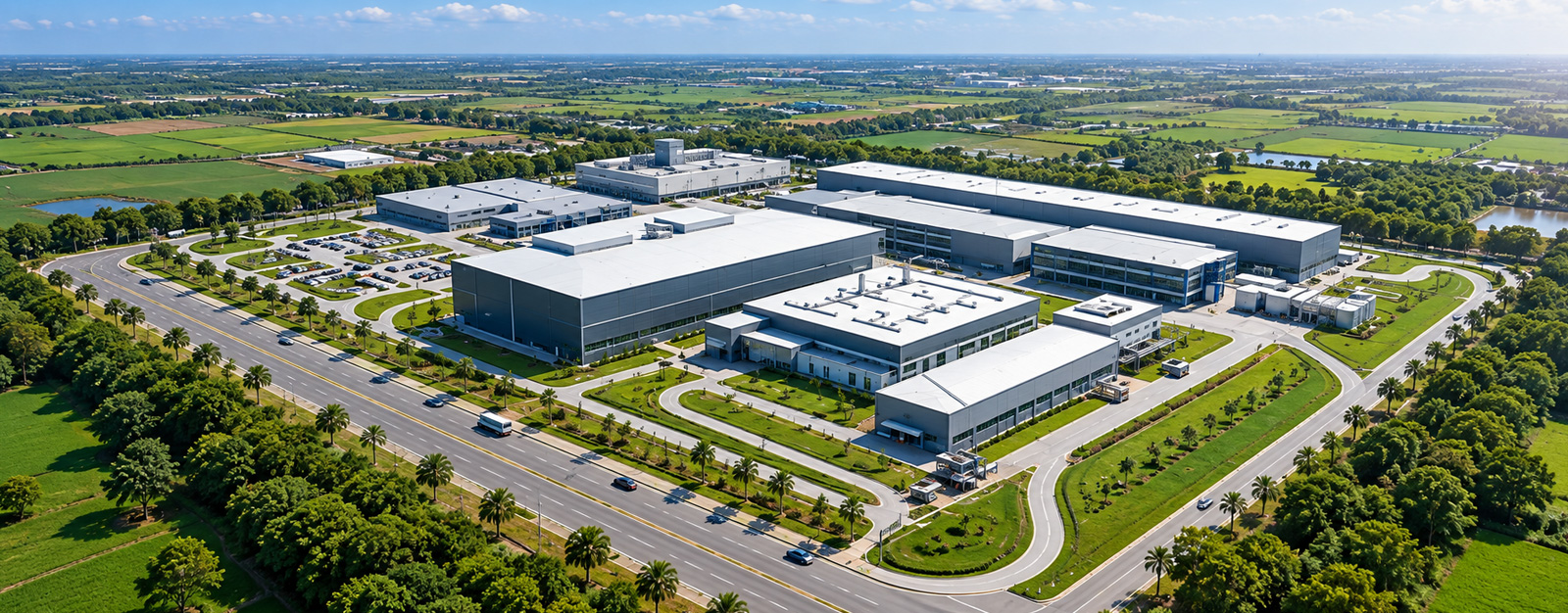
The Fujifilm investment in Dholera is approximately ₹800 crore, or around US$83 million. The investment will be carried out in two phases, beginning in October 2026.
The first phase will focus on materials supporting front-end semiconductor manufacturing processes. The second phase is expected to address semiconductor surface-conditioning materials and high-purity chemicals, depending on industry development and customer demand.
What Will Fujifilm Manufacture?
The proposed facility will focus on semiconductor materials used during different stages of chip manufacturing. Fujifilm’s semiconductor materials business includes products used across front-end and back-end processes.
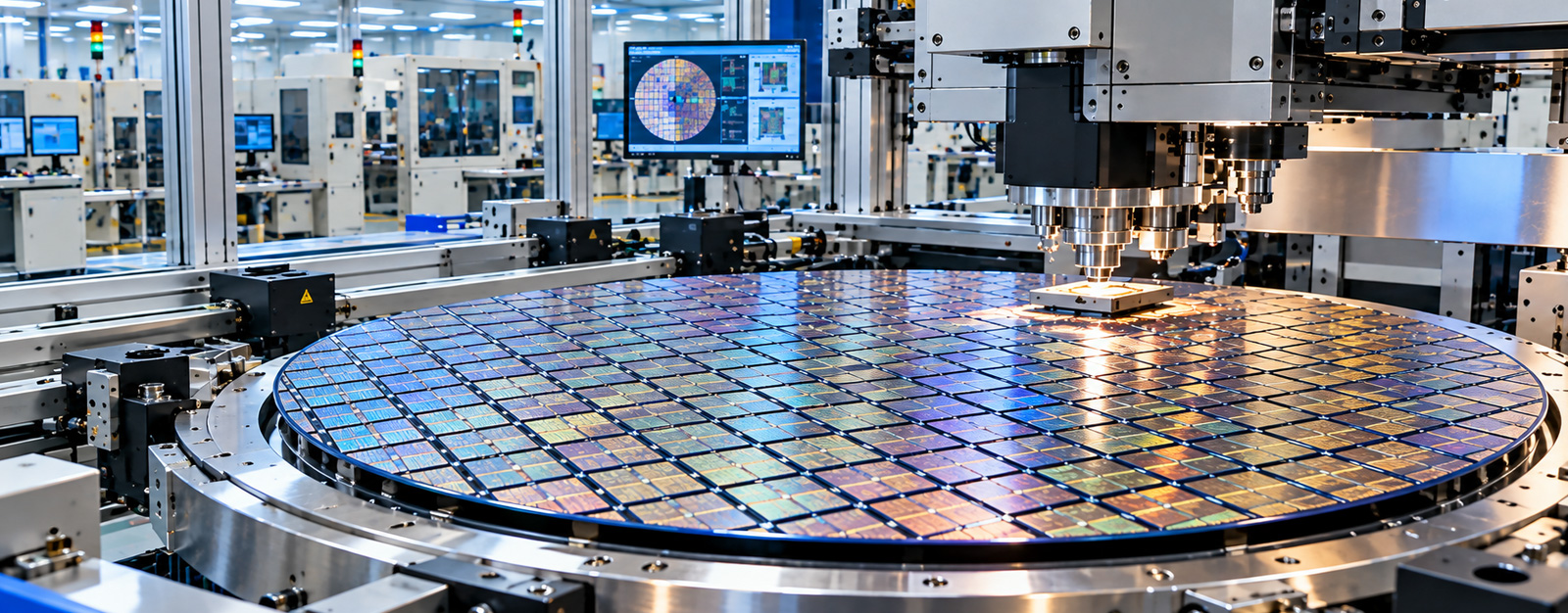
Its portfolio includes photoresists, photolithography-related materials, CMP slurries, post-CMP cleaners, thin-film materials, photosensitive insulating materials such as polyimides, and high-purity process chemicals.
These electronic materials require controlled manufacturing processes, specialized raw materials, and strict quality assurance.
Why Was Dholera Chosen?
The Fujifilm Dholera plant is planned within DSIR, Gujarat’s Special Investment Region, being developed as a major industrial and infrastructure destination. Its planned industrial environment makes it suitable for advanced manufacturing.
The planned Tata semiconductor plant is another important factor. A nearby semiconductor materials manufacturing unit can support material availability, logistics, and supply chain coordination.
DSIR is also being developed as a planned smart city, although the Fujifilm project is primarily an industrial development.
What Is the Tata Electronics Partnership?
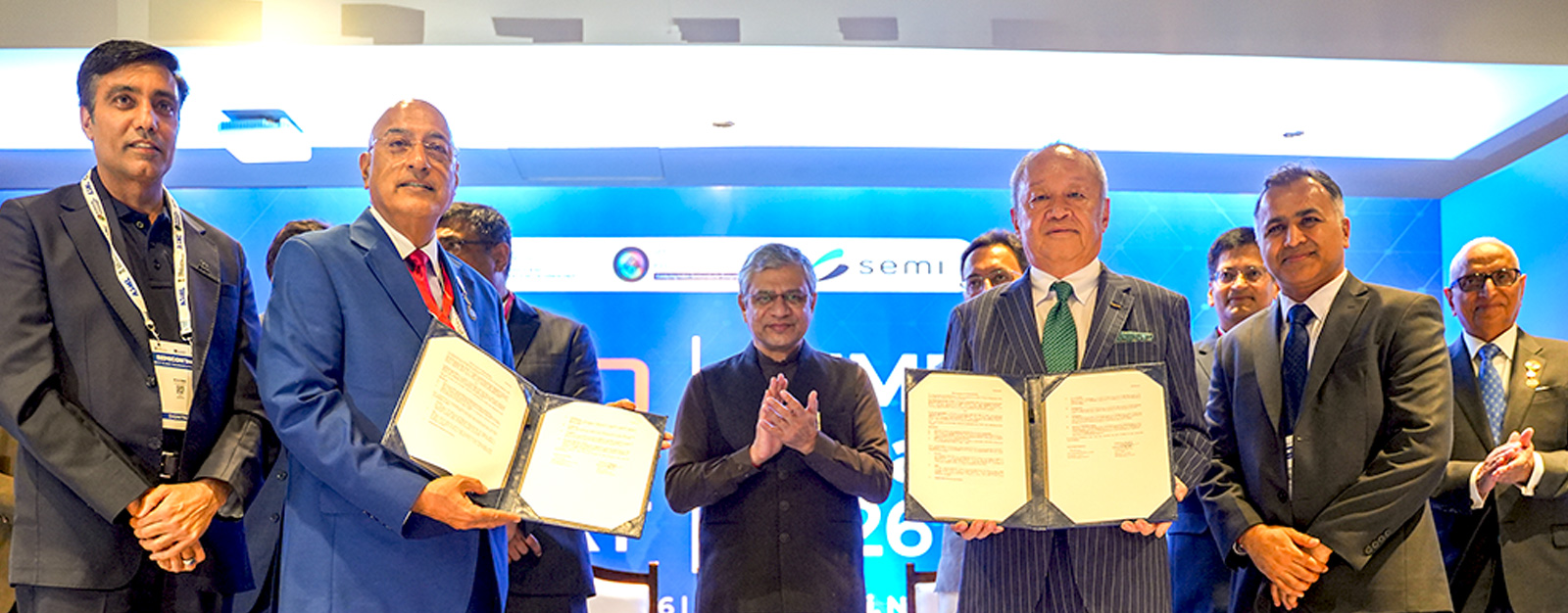
The partnership between Tata Electronics and Fujifilm is based on a strategic memorandum of understanding focused on developing India’s semiconductor materials ecosystem.
Fujifilm plans to develop and supply advanced semiconductor components for Tata Electronics’ upcoming Dholera fab. The companies also aim to support localization of critical raw materials and strengthen capabilities among Indian chemical manufacturers.
This partnership connects chip components production with Tata Electronics’ chip fabrication plans.
When Will the Plant Start Operations?
The Fujifilm Dholera plant is currently planned and is not operational. Fujifilm has announced that its investment will begin in October 2026 through a two-phase strategy.
Commercial production is expected in fiscal year 2028, according to reporting on the announcement. The timeline will depend on industry growth, customer demand, and implementation of the investment phases.
What Role Does Dholera SIR Play?
DSIR provides the planned industrial setting for the project. Its infrastructure and focus on advanced manufacturing support companies developing facilities around the semicon value chain.
The wider DSIR development includes industrial infrastructure, transportation links, and utilities that can connect manufacturers with suppliers, logistics providers, local services, and supporting businesses.
How Will It Strengthen India’s Semiconductor Supply Chain?
A major objective is to strengthen the semiconductor supply chain by increasing local access to critical components. Chip fabrication depends on specialized chemicals and materials, making reliable sourcing important to manufacturing.
Fujifilm and Tata Electronics have stated that their collaboration will support localization of critical raw materials and technology, quality assurance, and manufacturing-process know-how for Indian chemical manufacturers.
This could help develop a stronger materials supply chain and support India’s semicon value chain as production capacity expands.
What Could Be the Economic Impact?
The project could contribute to regional economic growth by adding advanced manufacturing capacity to Dholera’s industrial base. Employment opportunities may emerge across manufacturing, logistics, engineering, maintenance, technical services, and supporting businesses.
However, a specific employment figure has not been announced. For real estate investors, large industrial projects can gradually increase demand for local services and commercial facilities.
What Are the Future Expansion Plans?
Fujifilm’s announcement outlines a phased roadmap instead of a fixed long-term expansion target. Phase 1 will focus on front-end process chemicals, while Phase 2 will address surface-conditioning components and high-purity chemicals based on chip industry trends and customer demand.
Fujifilm’s semiconductor components business operates internationally, and its Indian presence may integrate into a broader Japanese supply chain for Indian and global markets.
Future expansion will depend on official project announcements, production milestones, and customer needs.
Why Does Fujifilm’s Investment Matter for Dholera?
The Fujifilm Dholera plant is crucial, linking semicon components, chip fabrication, chemical manufacturing, logistics, and advanced electronics in Dholera’s industrial ecosystem.
Tata Electronics is establishing a 300 mm semiconductor fab in Dholera, targeting production across 28nm to 110nm technology nodes for applications in automotive, consumer electronics, computing, data storage, wireless communications, and artificial intelligence.
Partnerships with companies like Sumitomo Chemical and Sojitz/NRS further highlight the development of the India’s semicon ecosystem across various supply chain segments.
What Should Businesses Watch Next?
Key milestones will include progress on the Fujifilm Dholera plant, initiation of phased investment, development of the manufacturing facility, and advancements toward commercial production.
Chip manufacturing relies on suppliers, chemical manufacturers, logistics companies, skilled workers, and supporting infrastructure. Ongoing development may enhance DSIR’s role in India’s semicon ecosystem.
For real estate, commercial investment, and industrial development, these factors are essential to monitor. Property decisions should consider project fundamentals, infrastructure access, timelines, and verified market data.
The Fujifilm announcement is part of a broader narrative: the evolution of India’s chip components ecosystem in Dholera and the expansion of a domestic semicon value chain.