
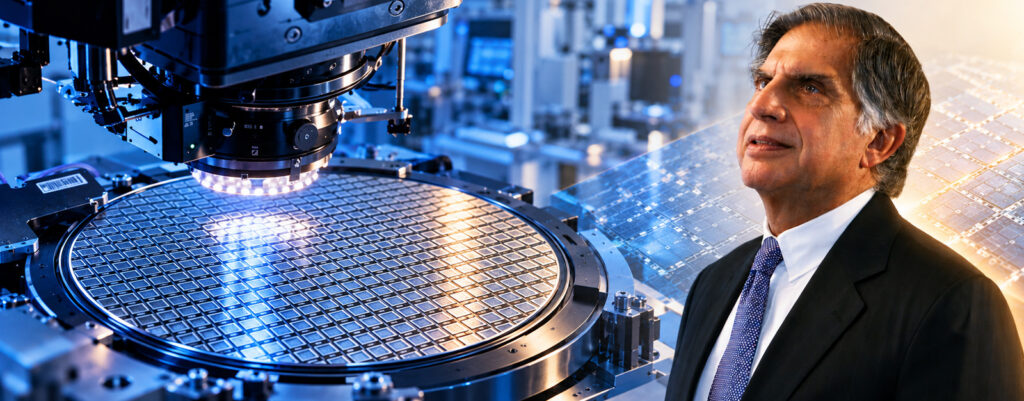
Tata Electronics & 16 MoUs: Dholera semiconductor ecosystem
Building a commercial chip foundry isn’t like putting up a standard manufacturing plant. You can’t just erect cleanroom walls, drop in expensive lithography tools, and expect silicon wafers to start shipping. A chip foundry needs an entire industrial world living right outside its front gates. It requires parts-per-trillion chemical purifiers, vibration-free roads, continuous high-voltage power, specialty gas pipelines, and a steady stream of elite technical talent.
Without suppliers right across the street, a multi-billion-dollar cleanroom quickly turns into a very quiet, very expensive museum. That reality is why the latest wave of commercial agreements signed by Tata Electronics marks such a decisive turning point for Gujarat. The much-discussed Dholera semiconductor ecosystem has officially moved past architectural mockups and entered round-the-clock ground execution.
What MoUs Did Tata Electronics Sign at SEMICON India 2026?
At SEMICON India 2026, Tata Electronics signed 16 landmark MoUs with global leaders like Nexperia, Fujifilm, Sumitomo Chemical, and Kelington. These agreements secure essential photoresists, specialized gases, cleanroom engineering, and supply chain logistics, establishing an integrated industrial base for commercial chip fabrication in Gujarat.
Current Status of the Dholera Semiconductor Ecosystem
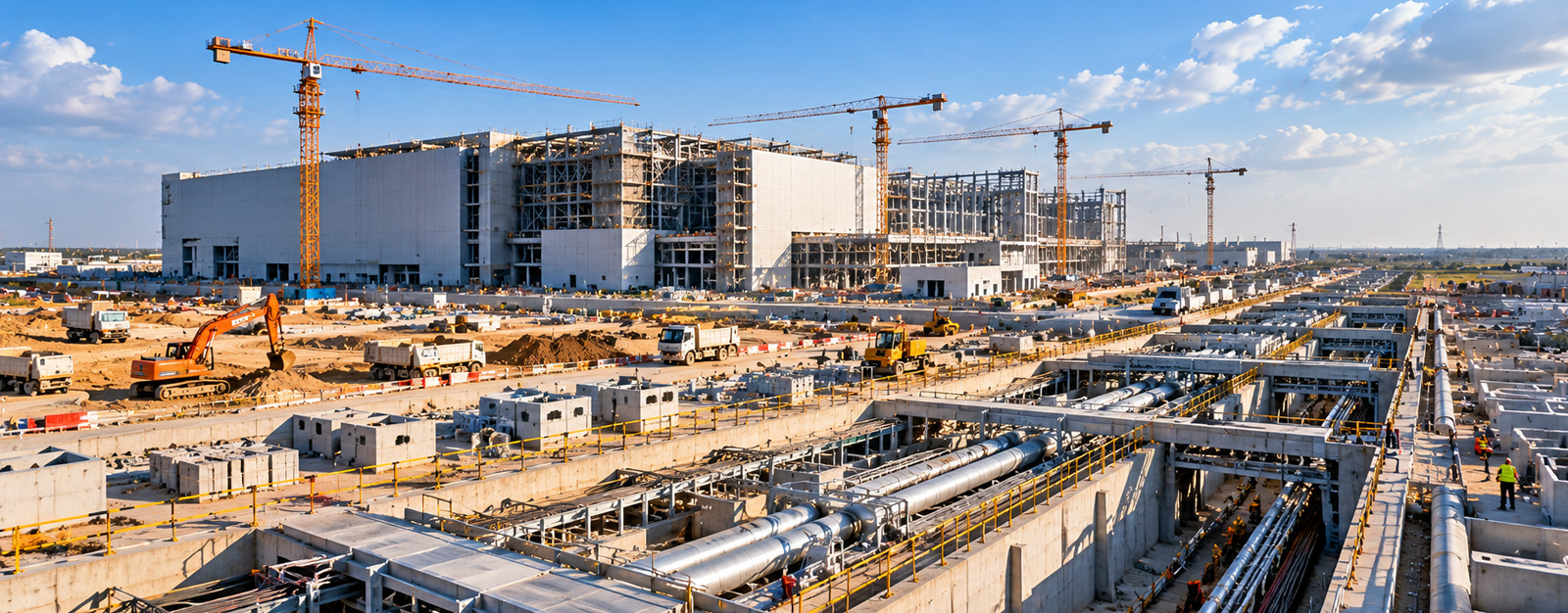
Heavy civil engineering and industrial activity across the Dholera Special Investment Region are moving at a breathtaking pace. Graded earthwork, arterial utility corridors, and heavy foundation beds are actively preparing the footprint for India’s pioneer mega fab. The broader region has clearly evolved beyond exploratory planning meetings into an active hub of synchronized engineering.
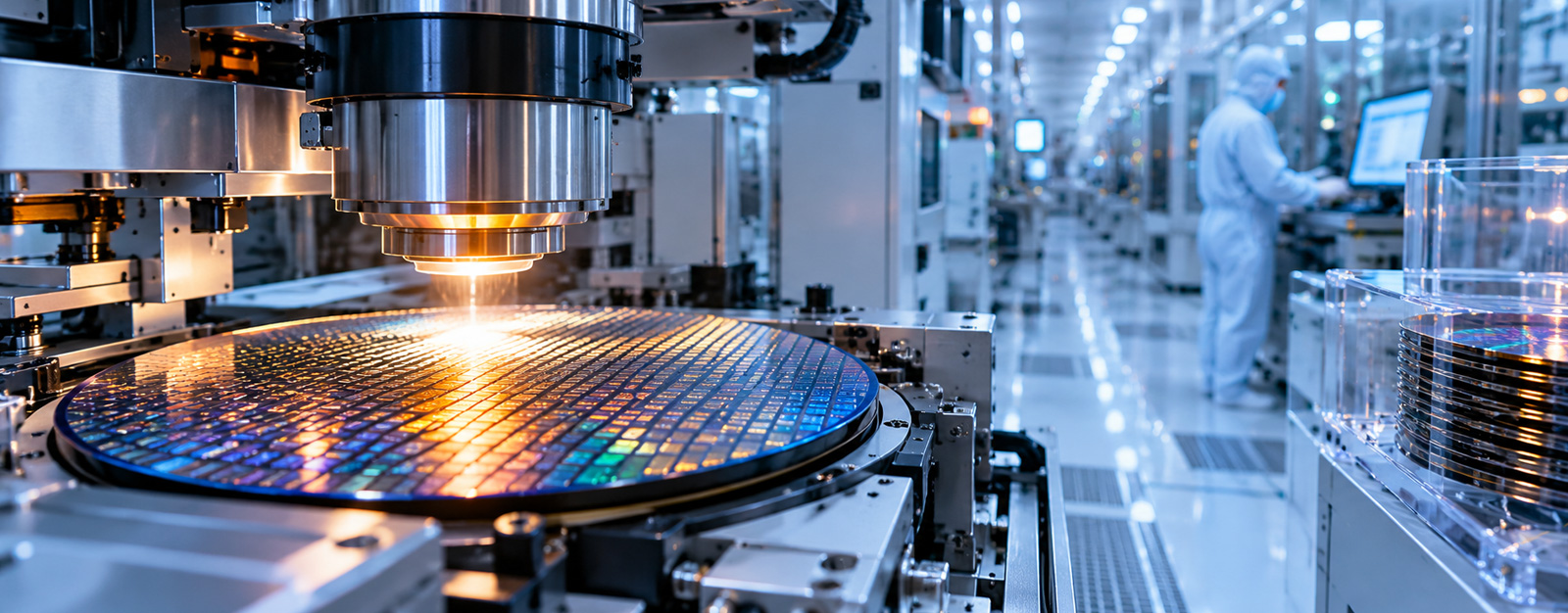
Tata’s ₹91,526 crore project serves as the central anchor for this physical transformation. Rather than waiting for the primary facility to open before inviting vendors, the team has already gathered over 450 ecosystem partners across structural engineering, piping, and chemical purification. Infrastructure teams are aligning deep trunk utilities across Dholera SIR, ensuring that sub-stations, desalination pipelines, and secure access roads are powered and ready the moment cleanroom equipment arrives.
Why Dholera Matters for Semiconductor Manufacturing Plans
No run-of-the-mill industrial estate can support high-volume Dholera semiconductor ecosystem fabrication. A single modern wafer facility consumes millions of liters of treated water each day and cannot tolerate even a split-second voltage dip without ruining months of silicon runs.
The special investment region was engineered from day one to eliminate these operational nightmares:
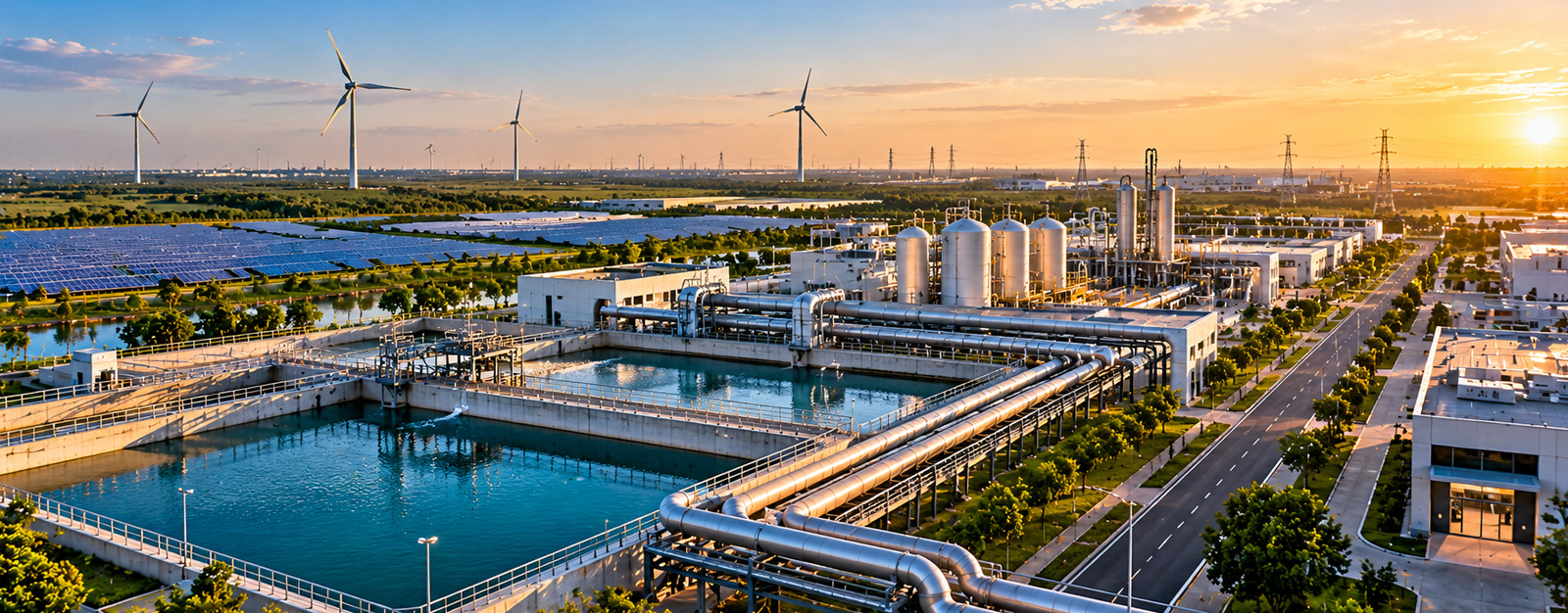
- Reliable power grids backed by vast renewable energy zones across the state of gujarat.
- Environmental corridors pre-zoned for specialized chemical refining, wastewater recovery, and safe hazardous waste processing.
- Unmatched physical scale that easily accommodates both primary foundries and sprawling tier-one vendor parks on contiguous land.
Major Companies Building Plants in Dholera
The foundation of this manufacturing hub is the historic joint venture between Tata and Taiwan’s Powerchip Semiconductor Manufacturing Corporation. This strategic tie-up merges Tata’s domestic industrial strength with PSMC’s decades of commercial foundry expertise, targeting volume production across 28nm, 40nm, and 90nm nodes.
World-class materials suppliers are moving quickly to support the plant. Japan’s Fujifilm is committing an ₹800-crore manufacturing presence to formulate chemical slurries and photoresists locally. Cleanroom engineering leader Kelington is handling high-purity piping, while INOX Air Products is building dedicated air-separation units to supply non-stop industrial gases. Together, they form an interdependent industrial cluster that secures every stage of wafer production.
How Tata Electronics Shapes the Dholera semiconductor ecosystem
The arrival of the Tata semiconductor manufacturing facility creates an economic gravity well. In the precision hardware space, component providers cannot manage supply chains from thousands of miles away; they must operate within minutes of the cleanroom airlocks.
To speed up this integration, Tata joined hands with Ascendas-Firstspace to develop a dedicated 363-acre supplier park right next to the main gates. This vendor zone eliminates real estate friction for incoming supply partners. Tier-one and tier-two vendors no longer have to navigate individual land acquisitions or zoning clearances, pulling chemical distributors, testing laboratories, and precision tooling teams straight into Dholera’s industrial core.
Government Initiatives Supporting the Dholera semiconductor ecosystem Sector
This unprecedented industrial momentum is backed by aligned policies at both state and national levels. The central government, under the forward-looking leadership of Prime Minister Narendra Modi, established the foundational India Semiconductor Mission alongside the wider Semicon India program.
The Ministry of Electronics and information technology stepped in with capital expenditure support, offering up to 50% project cost underwriting for qualifying facilities. Simultaneously, the Government of Gujarat rolled out its dedicated semiconductor incentive policy. Championed by the Chief Minister, the state provides top-up subsidies, subsidized land leases, stamp duty rebates, and stable utility tariffs, turning Gujarat into a prime destination for foreign direct investment.
Comparing Dholera Smart City to Silicon Valley
Observers often compare Dholera to hardware centers in Taiwan or the United States. While California’s tech hub expanded organically around software firms, universities, and venture capital, Dholera is planned entirely from the ground up as a high-precision hardware fortress.
As an integrated greenfield smart city, Dholera completely bypasses the transit congestion, utility rationing, and urban sprawl that hamper older manufacturing belts. It is engineered specifically for heavy precision engineering, continuous automated manufacturing, and complex cleanroom logistics, offering global chipmakers an uncompromised environment built for long-term growth.
Impact of Dholera semiconductor ecosystem Partnerships on Infrastructure
Developing a multi-billion-dollar semiconductor project triggers massive civil and logistics upgrades throughout the Gulf of Khambhat. Precision hardware requires smooth, shock-free transport networks to prevent microscopic fractures in delicate silicon crystal structures during transit.
Regional authorities are finishing the high-speed Ahmedabad-Dholera Expressway and extending dedicated freight rail lines to streamline bulk shipments. Meanwhile, the greenfield Dholera International Airport is taking shape with custom temperature-controlled cargo zones, designed to fly finished silicon wafers directly to global packaging centers without overland transit bottlenecks.
Effects on India’s Electronics Manufacturing Industry
For decades, Indian engineers designed some of the world’s most intricate microprocessors, yet domestic firms imported virtually every physical chip. The semiconductor fabrication facility rising in Dholera breaks this cycle, plugging the country firmly into the international semiconductor supply chain.
Local wafer production gives domestic automotive assemblers, consumer electronics brands, and defense manufacturers direct access to domestically produced silicon. Instead of waiting in lengthy overseas allocation queues, Indian companies gain local access to essential power drivers, microcontroller units, and logic chips, providing true supply chain resilience.
Industrial Infrastructure for Semiconductor Fabrication
Manufacturing microchips requires extraordinary municipal infrastructure. Dholera SIR’s activation corridor features multi-lane heavy transport avenues, underground utility raceways, continuous effluent treatment networks, and dedicated water canals.
Underneath the pavement lies world-class digital infrastructure. Hundreds of internet-of-things sensors track power stability, industrial water pressure, wastewater discharge, and traffic movement in real time through an integrated command center. This automated utility monitoring guarantees steady conditions for cleanrooms across the industrial city.
Operational Timeline for the Dholera semiconductor ecosystem Fab
Work on the primary manufacturing facility is progressing with rigorous discipline. Heavy structural columns are rising, and primary cleanroom enclosures are taking shape, targeting initial pilot runs within the 2026 calendar cycle.
Reaching steady commercial output involves a systematic series of engineering milestones. Once construction crews complete the primary shell, technical teams will spend months installing precision gas piping, running ultra-pure water loops, and calibrating complex photolithography systems. Commercial shipments will ramp up steadily once initial silicon wafers pass automotive and consumer quality certifications.
Workforce Opportunities and Technical Careers
Building a global manufacturing cluster reshapes the regional job market. Advanced chipmaking requires deep multidisciplinary talent, spanning materials science, chemical engineering, and precision robotics.
Direct operations will employ thousands of skilled professionals, ranging from process integration scientists to cleanroom maintenance supervisors. Industry observers are tracking the competitive Tata Electronics Dholera salary structures, which are pegged against global semiconductor standards to attract experienced Indian diaspora engineers back home.
Tata Electronics Dholera Salary and Talent Inflow
Beyond high-level engineering salaries, technical operations require thousands of certified technicians to manage gas cabinets, run high-voltage distribution loops, and operate automated robotic carriers. Tata’s workforce partnership with Gati Shakti Vishwavidyalaya ensures a steady pipeline of domestic graduates prepared specifically for fab operations.
This industrial core also supports thousands of certified skilled workers across civil engineering, environmental testing, and specialized hazardous chemical handling. Meanwhile, supporting business services will create tens of thousands of sustainable indirect jobs, lifting the regional services economy across Gujarat.

Commercial Developments and Land Absorption
The industrial expansion at Dholera is triggering strong demand across surrounding commercial and residential property markets. Global supply chains need physical footprints, and incoming workforces need thoughtfully planned neighborhoods.
Vendors need flexible warehousing parcels, corporate teams need commercial office space, and incoming engineers need modern homes. Master-planned sectors like Town Planning 1 and Town Planning 2 are seeing steady absorption, offering pre-zoned land for logistics parks, corporate complexes, and modern residential developments.
Strategic Momentum at the Semicon India 2026 Venue
While foundational site work had been underway for years, the formal catalyst for these 16 pivotal agreements took place on the national stage. Executives, materials suppliers, and international delegations gathered directly at the semicon india 2026 venue in New Delhi, converting bilateral discussions into binding corporate contracts.
The heavy presence of Japanese chemical suppliers, European equipment providers, and Southeast Asian cleanroom specialists proved that global hardware leaders view India as an essential manufacturing partner. The agreements signed there established concrete supply routes that connect straight into the Dholera plants.
Strengths of the Semiconductor Ecosystem Gujarat
Gujarat has spent decades building its reputation as an industrial powerhouse across petrochemicals, specialty plastics, automotive manufacturing, and heavy engineering. Adding front-end microchip fabrication is the logical next step in the state’s economic journey.
By uniting Gujarat’s deep-water ports and business-first administrative culture with the high-tech requirements of cleanroom fabrication, the region creates an enduring economic moat. This transformation elevates the local industrial base from conventional manufacturing to mission-critical hardware, shielding the regional economy from global market disruptions.
Outlook for India’s Semiconductor Ambitions
For years, international skeptics wondered whether India could transform high-level policy papers into working fabrication cleanrooms. The cranes, concrete pours, and supplier commitments across Dholera SIR provide an unmistakable answer.
With billions in committed capital, operational trunk utilities, a rapidly growing supplier park, and steadfast policy backing, Gujarat is building a self-sustaining hardware economy. The 16 MoUs signed by Tata Electronics are far more than ceremonial photo ops; they represent the physical supply lines of an industrial engine engineered to power India’s digital future for decades to come.